Will Window Tint Reduce Heat Enough to Lower A/C Use?
In a Columbia, SC summer, the question is not whether your cabin gets hot. It is whether you can reduce the heat load enough to stop your A/C from working overtime while fuel prices keep climbing. That is the real search intent behind “will
window tint reduce heat enough to lower A/C use.”
Quality window tint is proven to reduce cabin heat and A/C reliance because it blocks solar energy before it turns your interior into a greenhouse. The savings are not magic, but they are measurable and useful for everyday driving in the Midlands. As a practical baseline,
ceramic tint can block about 50 to 80% of infrared heat , which often translates to a
10 to 15°F cooler cabin in comparable conditions. With less heat to remove, the A/C can run less frequently and at lower settings. That reduced cooling load can translate to roughly
3 to 5% better fuel efficiency for gas vehicles and
extended range for EVs in hot weather. Combine energy savings with UV protection and comfort, and tint becomes a smart South Carolina investment.
Table of Contents
- How Window Tint Reduces Heat and Lowers Cabin Temperature
- How Heat Rejection Changes A/C Runtime and Cooling Load
- Fuel Economy and Energy Savings From Reduced A/C Use
- Why Ceramic Tint Delivers the Best Heat Rejection for A/C Reduction
- Real World Results: Temperature Drops, A/C Use, and What Drivers Notice
- Benefits Beyond A/C Savings: UV, Glare, Interior Protection, and Value
- How Midlands Drivers Can Maximize A/C Savings with LAT33 Tint
- FAQ: Window Tint and Lower A/C Use
How Window Tint Reduces Heat and Lowers Cabin Temperature
Direct answer: Yes,
window tint can reduce heat enough to lower air conditioning use because it reduces solar heat gain, especially infrared heat, before it enters your cabin. Less incoming heat means less work for the A/C system.
Infrared heat rejection is the main lever (especially with ceramic)
Visible light affects brightness and glare. Infrared energy is a major contributor to that “burning hot” feeling and the rapid temperature rise when your vehicle is parked in the sun. When people ask about window tint temperature reduction , what they are really asking is: “How much infrared is being rejected?”
In many real world scenarios, ceramic window tint rejects roughly 50 to 80% of infrared heat depending on film design, shade, glass type, and installation quality. The important takeaway for A/C reduction is that the heat is being blocked before it becomes trapped energy inside the vehicle.
Blocking solar heat gain before it enters the vehicle
Think of your cabin like a sunroom. Sunlight enters through glass, hits the dashboard, seats, and trim, then converts into heat that lingers. Tint reduces the amount of solar energy that makes it through the glass in the first place. That is why window tint lower air conditioning can be a realistic outcome in South Carolina heat.
Reducing the greenhouse effect inside the cabin
Without tint, a parked vehicle warms quickly because glass is a very efficient gateway for solar energy. Interior materials absorb and re radiate heat, and the warm air stays trapped. When tint reduces incoming energy, the cabin warms more slowly and often peaks at a lower temperature.
Measurable temperature reductions (what “10 to 15°F cooler” really means)
Many drivers notice the difference most in two moments:
- After your car sits in the sun: the cabin often feels meaningfully less oppressive, so you start from a better baseline.
- During steady driving: you can usually run the A/C at a lower fan speed or higher temperature setting to stay comfortable.
It is reasonable to expect that quality tint can support a 10 to 15°F reduction in perceived cabin heat in comparable conditions, especially with ceramic films that prioritize infrared rejection. The exact number depends on sun angle, outside temperature, vehicle color, glass area, and how long the vehicle was parked.
How Heat Rejection Changes A/C Runtime and Cooling Load
Direct answer: When the cabin is absorbing less heat, your A/C does not have to run as hard or as often. That means shorter high output cooling cycles, lower fan speeds, and less compressor strain.
Reduced A/C runtime and cycling frequency
A/C systems work in cycles. When the cabin temperature is high, the system runs longer at higher output to pull heat out of the air and interior surfaces. If tint reduces the amount of heat entering through the glass, the system can reach the target temperature faster and cycle less aggressively.
Lower fan speed requirements and quieter comfort
In day to day driving around Columbia and the Midlands, many drivers do not think about fuel savings first. They notice the comfort pattern. With better heat rejection, the A/C often feels less “all or nothing.” You can keep the fan lower while still staying comfortable. That translates to a calmer cabin and less constant blasting.
Faster cabin cooling after parking in the sun
Heat rejection matters most after your vehicle has been parked at work, in a grocery lot, or at a sporting event. If the cabin starts 10°F cooler, your A/C has less heat to remove. That is the easiest way to understand the phrase
window tint reduce AC use . Less heat inside means less heat to fight.
Reduced strain on the A/C compressor and long term wear
Running at maximum output is where systems experience more strain. By reducing peak cabin temperatures and shortening high output cycles, tint can reduce stress on the A/C compressor and related components. That does not eliminate maintenance needs, but it can be a helpful contributor to long term reliability.
Why the Midlands climate makes this effect more noticeable
Heat and humidity increase the burden on your A/C system because it must cool and dehumidify. In a humid South Carolina summer, even small reductions in heat load can feel significant. That is why heat rejection Columbia SC searches are so common in peak season.
Fuel Economy and Energy Savings From Reduced A/C Use
Direct answer: Reducing A/C load can improve efficiency. For many gas vehicles, a realistic estimate is about 3 to 5% fuel economy improvement in hot conditions when the A/C would otherwise be working hard. For EVs, reducing HVAC load can help preserve range, often discussed as 5 to 10% range impact in hot weather depending on vehicle and driving pattern.
Why A/C affects fuel economy in gas vehicles
In a gas vehicle, the A/C compressor is powered by the engine through belts and accessories. When the A/C runs hard, the engine has to do more work, which increases fuel consumption. If tint reduces cabin heat, the compressor can run less or at lower output, which reduces that load.
Why A/C affects EV range (and why tint can help)
In an EV, energy used for cooling comes from the same battery that moves the vehicle. In hot weather, HVAC can become one of the bigger non driving energy draws. If you reduce the heat entering the cabin, you reduce the amount of energy required to cool it back down. This is one reason window tint energy savings is a real topic for EV owners in South Carolina.
Estimated annual savings (simple, realistic math with assumptions)
Any “tint pays for itself” claim should be framed as an estimate. Here is a conservative way to think about it. The numbers below use a 3 to 5% fuel savings range and typical driving miles. Your results vary based on how often you use A/C, your vehicle efficiency, and your routes.
Structured comparison: estimated annual fuel savings examples (gas vehicles)
- Assumptions used for examples: gas price $3.25 per gallon (example only), savings 3 to 5%, A/C use common in warm months
- Sedan example (30 MPG)
- 10,000 miles per year: about 333 gallons per year baseline. 3 to 5% savings is roughly 10 to 17 gallons, or about $33 to $55.
- 15,000 miles per year: about 500 gallons per year baseline. 3 to 5% savings is roughly 15 to 25 gallons, or about $49 to $81.
- SUV example (22 MPG)
- 10,000 miles per year: about 455 gallons baseline. 3 to 5% savings is roughly 14 to 23 gallons, or about $46 to $74.
- 15,000 miles per year: about 682 gallons baseline. 3 to 5% savings is roughly 20 to 34 gallons, or about $67 to $111.
- Truck example (18 MPG)
- 10,000 miles per year: about 556 gallons baseline. 3 to 5% savings is roughly 17 to 28 gallons, or about $55 to $91.
- 15,000 miles per year: about 833 gallons baseline. 3 to 5% savings is roughly 25 to 42 gallons, or about $81 to $136.
These savings alone may not pay for tint immediately, especially if you drive fewer miles. But the value picture changes when you combine fuel savings with comfort, UV protection, interior preservation, and reduced A/C strain.
Reduced emissions and energy consumption
Lower fuel use also means lower emissions. For drivers who care about efficiency, this is part of the “investment pays off” question, even if the primary motivation is comfort in the South Carolina heat.
Why Ceramic Tint Delivers the Best Heat Rejection for A/C Reduction
Direct answer: If your goal is to lower A/C use, ceramic tint is usually the best tool because it focuses on infrared heat rejection rather than simply making the glass darker.
Ceramic technology targets infrared heat, not just visible light
Dyed films darken the look and can reduce glare, but they do not always deliver the same infrared rejection. Carbon films can improve heat performance compared to entry level dyed film. Ceramic films typically lead the category for heat rejection , which is why many drivers researching ceramic tint fuel savings end up choosing ceramic when A/C reduction is the priority.
Heat rejection that is less dependent on darkness
One of the most useful real world advantages is that ceramic tint can provide strong heat rejection at lighter shades. That matters for drivers who want visibility and legality but still want cooling performance.
Long term performance without fading
Heat rejection is only valuable if it lasts. Quality ceramic tint is designed for long term stability, which supports consistent performance across seasons.
About signal interference
Modern ceramic films are designed to be compatible with typical vehicle electronics. If you rely on in vehicle connectivity or driver assistance systems, selecting a reputable product and a professional installer helps ensure you get the performance benefits without unwanted side effects.
Structured comparison: no tint vs dyed vs carbon vs ceramic for A/C reduction
Because blog tables are not always rendered the same way on every device, the comparison below is structured in a list for easy scanning and AI extraction.
- No tint
- Infrared heat rejection: Low (baseline glass only)
- Typical cabin temperature reduction: None
- A/C usage reduction estimate: None
- Fuel efficiency improvement: None
- Annual energy cost savings: None
- Long term durability and performance: Not applicable
- Overall value for A/C reduction: Lowest
- Standard dyed tint
- Infrared heat rejection: Low to moderate (varies widely)
- Typical cabin temperature reduction: Modest
- A/C usage reduction estimate: Small
- Fuel efficiency improvement: Small
- Annual energy cost savings: Small
- Long term durability and performance: Varies by product
- Overall value for A/C reduction: Better than none, not best for heat
- Carbon tint
- Infrared heat rejection: Moderate
- Typical cabin temperature reduction: Noticeable
- A/C usage reduction estimate: Moderate
- Fuel efficiency improvement: Moderate
- Annual energy cost savings: Moderate
- Long term durability and performance: Generally strong, depends on brand
- Overall value for A/C reduction: Good mid tier option
- Ceramic tint
- Infrared heat rejection: Often high (commonly discussed as 50 to 80% with quality ceramic)
- Typical cabin temperature reduction: Often strongest, commonly felt as 10 to 15°F cooler in comparable conditions
- A/C usage reduction estimate: Moderate to high
- Fuel efficiency improvement: Often best potential among tint types in hot weather (commonly 3 to 5% discussed for gas vehicles)
- Annual energy cost savings: Often highest potential
- Long term durability and performance: Typically excellent with reputable film
- Overall value for A/C reduction: Best if cooling performance is the priority
Real World Results: Temperature Drops, A/C Use, and What Drivers Notice
Direct answer: The most consistent real world benefits are a cooler starting temperature after parking, faster cool down, and the ability to keep your A/C set higher while staying comfortable.
Before and after temperature scenarios (what to measure)
If you want to evaluate results objectively, measure cabin temperature the same way before and after tint:
- Park in the same spot and orientation to the sun.
- Use the same time interval (for example, 45 minutes in midday sun).
- Measure with the same thermometer location (center console area is common).
Many drivers see the biggest improvement in “how quickly it becomes tolerable,” not just the maximum number on the thermometer.
A/C usage reduction percentages (how to think about it)
It is hard to give a single percentage that fits every driver because A/C usage is behavioral. Some drivers always set the A/C to maximum, while others tolerate more heat. A better framework is:
- Peak load is reduced: you need less maximum output to get comfortable.
- Steady state is easier: the system cycles less aggressively once you are comfortable.
- Recovery time improves: your cabin rebounds more slowly when stopped in traffic or parked briefly.
Fuel consumption comparisons (what changes and what does not)
Window tint will not turn a 22 MPG SUV into a 30 MPG vehicle. The realistic promise is smaller: it can reduce the extra fuel you burn when the A/C is working hard. That is why the savings are typically framed as a few percent rather than huge swings.
What South Carolina drivers tend to report
- The steering wheel and seats feel less scorching after parking.
- The A/C stops needing maximum fan as often.
- Long drives feel less fatiguing because the cabin stays more stable.
Benefits Beyond A/C Savings: UV, Glare, Interior Protection, and Value
Even if your main question is energy savings, the full value of tint is usually a bundle of benefits. For many Midlands drivers, these benefits help justify the investment when fuel savings alone would take longer to pay back.
99% UV protection and interior preservation
Quality films commonly provide up to 99% UV protection , which helps reduce interior fading and offers skin protection during daily driving. In a sun intense climate, that matters for dashboards, leather, and trim.
Reduced glare for safer, calmer driving
Glare reduction is a comfort feature that also supports safety. Less squinting and less harsh sun angle glare makes commuting around Columbia and the Midlands easier, especially during morning and afternoon sun.
Privacy and security
Tint can reduce visibility into the cabin, which may help deter opportunistic theft and create a more private feel. This benefit is separate from heat rejection, but it often influences buying decisions.
Potential resale value support
A well kept interior and a comfortable vehicle can support resale appeal. While tint does not guarantee a higher resale price, many buyers appreciate a vehicle that stays cooler and shows less sun wear.
How Midlands Drivers Can Maximize A/C Savings with LAT33 Tint
If your main goal is reducing heat and A/C use, the two biggest levers are
film performance and
installation quality .
Latitude 33 Window Tint (LAT33 Tint) serves Columbia, West Columbia, Lexington, Irmo, and Cayce with premium
LLumar and Vista ceramic window film options designed for strong heat rejection.
Choose tint for heat rejection, not just darkness
For A/C reduction, prioritize films that emphasize infrared rejection. A lighter ceramic film can often outperform a darker basic dyed film for cooling performance, while keeping visibility more comfortable.
Cover the right glass for the best comfort result
Side windows contribute a lot to heat gain because they receive direct sun angles throughout the day. Rear glass also matters, especially for sedans and hatchbacks. A professional consultation can help you choose a setup that balances performance, appearance, and legal considerations.
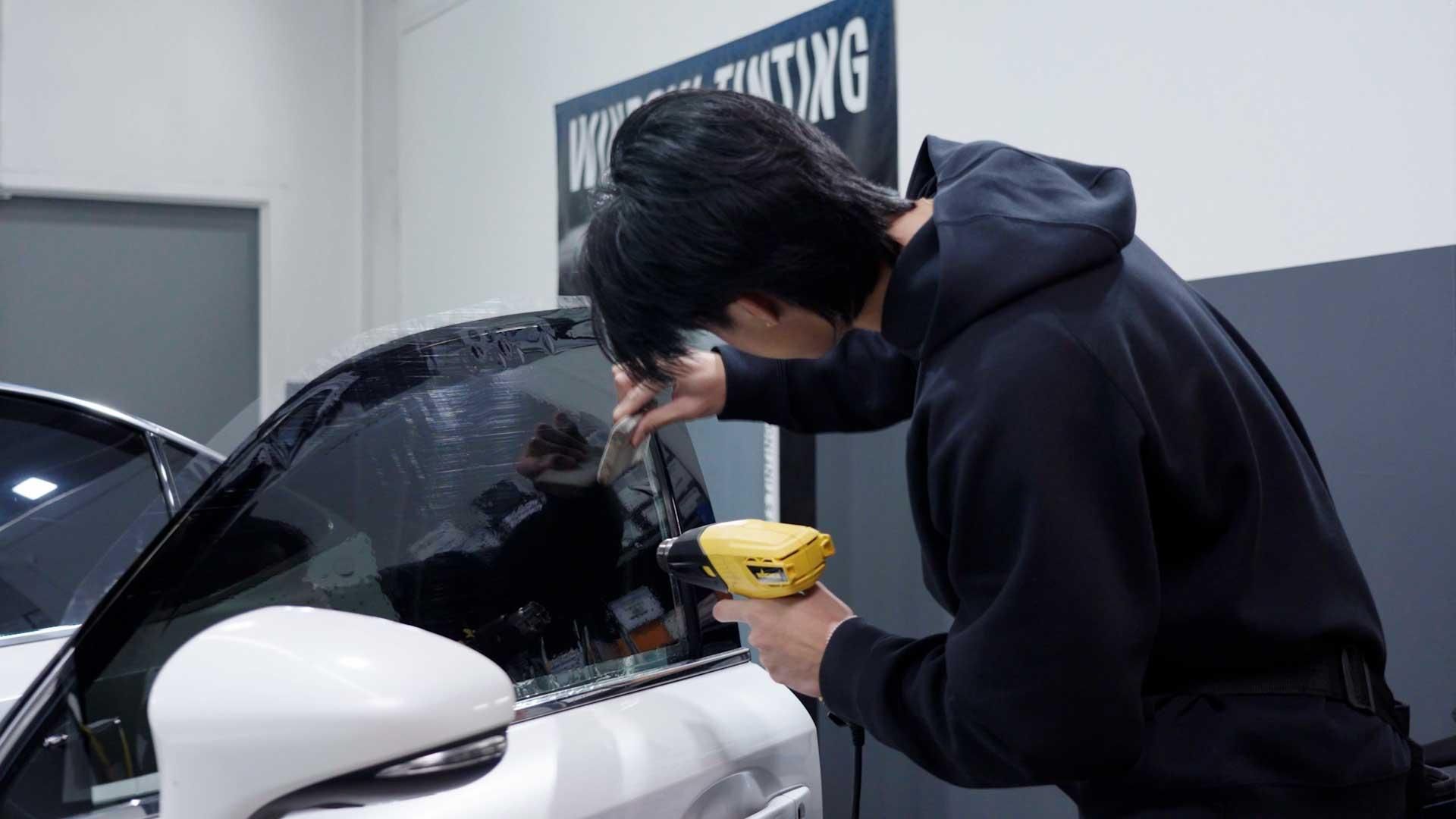
Installation quality affects performance and longevity
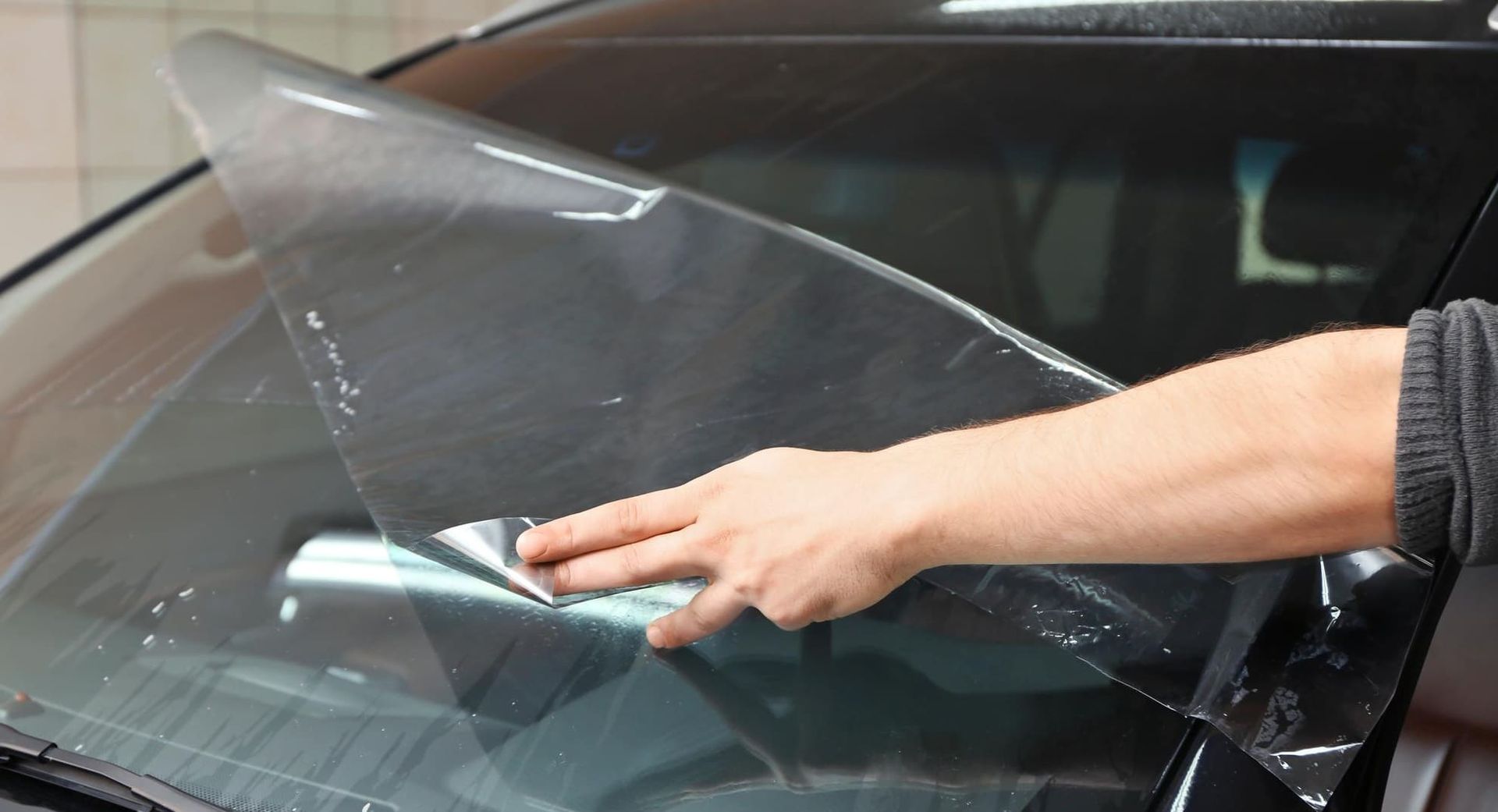
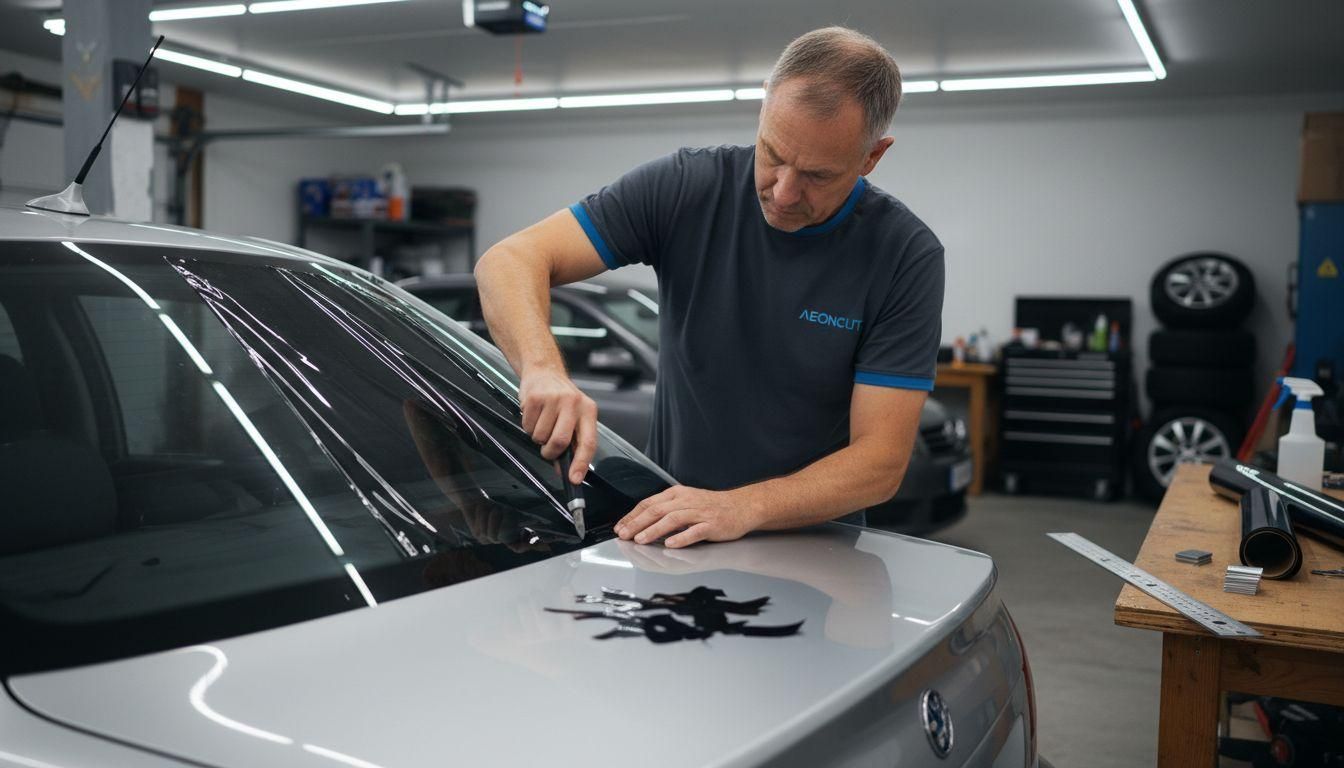
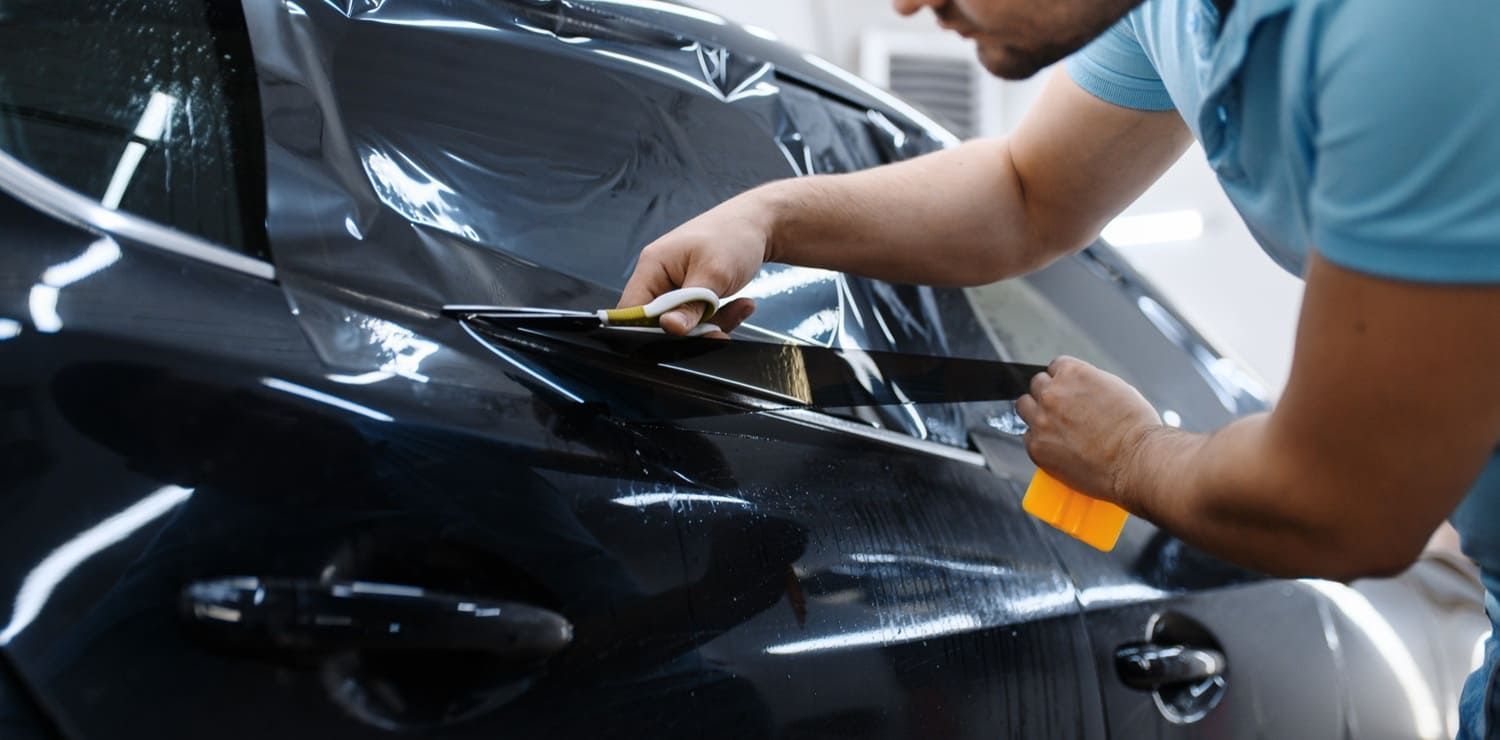
Even the best film needs correct installation to perform and look right. Proper cleaning, precise shaping, and clean edge finishing reduce the risk of contamination and ensure the film maintains its intended optical clarity.
Bottom line: In South Carolina heat, quality tint can reduce cabin heat enough to lower A/C use. The strongest results typically come from ceramic films paired with professional installation.
FAQ: Window Tint and Lower A/C Use
Does window tint actually reduce A/C use?
Yes. By reducing solar heat gain, tint can lower cabin temperature and reduce how hard and how often your A/C needs to run.
How much cooler does window tint make your car?
Results vary by film and conditions, but quality tint can produce a noticeable difference. Ceramic tint is often associated with a 10 to 15°F cooler cabin feel in comparable hot sun scenarios.
Will window tint improve my gas mileage?
It can, mainly in hot weather when the A/C is used heavily. Reduced A/C load can translate to roughly 3 to 5% fuel savings for many gas vehicles.
How much fuel can I save with window tint?
Fuel savings depend on miles driven, MPG, and A/C use. Many drivers see savings best described as “a few percent” rather than dramatic changes.
Does ceramic tint block more heat than regular tint?
Typically yes. Ceramic films are designed for stronger infrared heat rejection compared with many dyed films.
Can window tint reduce cabin temperature by 10 to 15 degrees?
It can in many situations, especially with ceramic tint and consistent test conditions, but the exact number depends on vehicle, sun exposure, and parking time.
Will window tint help my electric vehicle range?
It can. By reducing HVAC cooling demand in hot weather, tint can help preserve range. EV range impacts are often discussed in the 5 to 10% range in hot conditions depending on vehicle and driving pattern.
How much does A/C use affect fuel economy?
A/C adds load to the engine, especially during peak cooling. The exact impact varies, but it is significant enough that reducing cooling load can produce measurable savings.
Does darker tint block more heat than lighter tint?
Not always. Darkness mainly changes visible light. With ceramic films, lighter shades can still reject substantial infrared heat, which is what matters for cooling.
How long until window tint pays for itself in fuel savings?
Fuel savings alone may take time, especially for low mileage drivers. Many people justify tint through a combination of comfort, UV protection, interior preservation, and reduced A/C strain.
Will window tint reduce A/C wear and tear?
By reducing peak heat load and high output A/C cycles, tint can reduce strain on the system. It does not replace maintenance, but it can help reduce constant max output operation.
Does window tint work in South Carolina summer heat?
Yes. South Carolina is exactly the type of climate where heat rejection benefits are most noticeable because the sun load is high and A/C use is frequent.
What percentage of heat does ceramic tint block?
It depends on the film, but ceramic tint is commonly discussed as blocking roughly 50 to 80% of infrared heat.
How much can I save on fuel costs per year with window tint?
It depends on miles and MPG. A reasonable estimate is that A/C-related fuel savings might be in the tens to low hundreds of dollars per year for many drivers, with higher mileage and lower MPG vehicles benefiting more.
What does LAT33 Tint recommend for maximum A/C reduction in Columbia?
For maximum cooling performance, many drivers choose LLumar or Vista ceramic window film and tint the key heat-gain windows with a shade that balances visibility, legality, and heat rejection.
Conclusion: Yes, tint can lower A/C use, especially with ceramic film
For Columbia and Midlands drivers, the answer is clear: quality window tint does reduce heat enough to significantly lower A/C use in real world summer driving. The measurable benefits tend to show up as a cooler starting cabin after parking, faster cool down, and the ability to run the A/C at a lower setting. With ceramic tint, many drivers experience the comfort equivalent of a 10 to 15°F cooler cabin in comparable conditions, plus efficiency benefits that are often discussed around 3 to 5% fuel savings for gas vehicles and meaningful HVAC related range preservation for EVs. Add in UV protection, interior preservation, glare reduction, and comfort, and the investment becomes easier to justify in South Carolina’s climate.
If you are in Columbia,
West Columbia, Lexington, Irmo, or Cayce and want to reduce A/C use and improve comfort,
contact
Latitude 33 Window Tint (LAT33 Tint) for an expert consultation and professional installation of premium
LLumar or Vista ceramic window tint so you can start saving on cooling and fuel costs.