Is UV Protection Better with Ceramic Tint or Clear UV Film? A Columbia, SC Guide for Cars and Homes
Neither is better at blocking UV. A quality ceramic tint and a quality clear UV film both block 99% or more of ultraviolet rays. The real differences are heat rejection, glare, privacy and appearance. Choose ceramic for maximum heat control and a tinted look; choose clear film to keep your glass looking untouched.
If you live or drive in Columbia, Lexington, West Columbia or anywhere in the Midlands, you've probably heard both pitches. One shop says ceramic tint is the gold standard for sun protection. Another says a clear UV film does the same job without darkening anything. Both are partly right, and that's why the choice gets confusing.
In this guide, the team at Latitude 33 Window Tint explains how UV protection works, why darker glass doesn't automatically mean safer glass, how ceramic and clear films compare for your car and your home, and how to pick the right one.

Key Takeaways
- UV protection is not the deciding factor. Premium ceramic, dyed, metallized and clear films from LLumar and 3M are all rated at 99% or higher UV protection.
- Darkness and UV blocking are unrelated. A dark film blocks visible light; UV protection comes from UV absorbers built into the film.
- Car side windows are the weak spot. Research published in JAMA Ophthalmology found windshields block about 96% of UVA on average, while side windows average about 71%.
- Ceramic tint wins on heat and glare. Clear film wins on appearance and keeps every view unchanged.
- Some films are both. Clear nano-ceramic and spectrally selective films offer near-invisible glass with strong heat rejection.
Why UV Protection Matters More Than Most People Think
Ultraviolet light comes in two forms that reach the ground. UVB causes sunburn and is mostly blocked by ordinary glass. UVA penetrates deeper into the skin, contributes to premature aging and skin cancer, and passes through many windows much more easily than people assume.
The Problem With Your Car's Side Windows
Your windshield is laminated glass, two panes with a plastic layer between them, and that layer filters most UVA. Side windows are usually a single pane of tempered glass, and their UVA protection varies widely by make and model. In the 2016 JAMA Ophthalmology study, side window protection ranged from as low as 44% to as high as 96%, with only a few vehicles meeting a 90% benchmark. Factory privacy glass wasn't a guarantee either; some darker windows tested among the weakest.
That matters if you spend time on I-26, I-20 or Two Notch Road with sun coming through the driver's window. Researchers have linked this one-sided exposure to higher rates of left-side facial skin cancer and left-eye cataracts in U.S. drivers.
The Problem With Your Home's Windows
At home, UV exposure shows up most visibly as fading. Hardwood floors, rugs, upholstery, artwork and cabinetry near south- and west-facing windows slowly lose color. Most standard residential glass lets a meaningful share of UV through, and the Midlands' long, bright summers add up to a lot of exposure year after year.
Ceramic Tint vs. Clear UV Film: What's Actually Different?
Both film types share the same UV blocking. They differ in everything else.
| Feature | Ceramic Tint | Clear UV Film |
|---|---|---|
| UV protection | 99%+ | 99%+ |
| Heat rejection | High to very high (ceramic particles target infrared) | Low for basic clear films; high for clear nano-ceramic or spectrally selective films |
| Glare reduction | Strong, especially in darker shades | Minimal |
| Privacy | Yes, depending on shade | None |
| Appearance | Tinted, available from light to dark | Virtually invisible |
| Signal interference | None (non-metallic) | None |
| Best for | Drivers and homeowners who want comfort, privacy and protection together | People who want protection without changing how their glass looks |
How Ceramic Tint Works
Ceramic films use non-metallic nano-ceramic particles to absorb and block infrared light, the part of sunlight you feel as heat. UV absorbers built into the film handle ultraviolet. Because there is no metal layer, ceramic tint won't interfere with phones, GPS, keyless entry or Wi-Fi. LLumar's IRX Series, an infrared-rejecting ceramic tint, is the brand's top choice for heat control in vehicles. The CTX Series is a nano-ceramic option with a charcoal look that matches factory privacy glass.
How Clear UV Film Works
Clear UV films are optically clear polyester with UV inhibitors. A basic clear film blocks UV very well but does little for heat or glare. Advanced clear films go further. LLumar AIR uses nano-ceramic technology to add heat rejection to a nearly clear film. On the home side, 3M Prestige uses multilayer optical technology to reject up to 97% of infrared light while staying almost invisible.
The Myth That Darker Means More Protection
This is the most common misconception we hear in our West Columbia shop. Visible light transmission (VLT), the "how dark is it" percentage, measures visible light only. It says nothing about UV. A 70% VLT clear film and a 20% VLT charcoal film from the same premium manufacturer can carry the same 99% UV rating. If UV protection is your only goal, you never have to go darker than you want.
So Which One Should You Choose?
Since UV protection is effectively equal, base your decision on what else you need from the glass.
| Your Situation | Best Fit | Why |
|---|---|---|
| Daily commuter who wants a cooler car | LLumar IRX or CTX ceramic | Maximum heat and glare reduction plus 99% UV protection |
| Driver who doesn't want a tinted look | LLumar AIR clear film | Nearly invisible, with heat rejection and 99%+ UV protection |
| Vehicle already has factory privacy glass | LLumar AIR over factory glass | Adds UV and heat performance without changing the look |
| Homeowner protecting floors and furniture | 3M Prestige or LLumar spectrally selective | Strong UV and infrared rejection with clear views |
| Home with harsh afternoon sun and glare | LLumar or 3M ceramic series | Neutral tone, low reflectivity, more glare and heat control |
| Historic home or HOA-restricted exterior | Clear spectrally selective or ceramic film | Minimal change to the exterior appearance |
| Storefront or office in the Vista | Spectrally selective or ceramic commercial film | Protects merchandise and keeps displays visible |
For Your Car
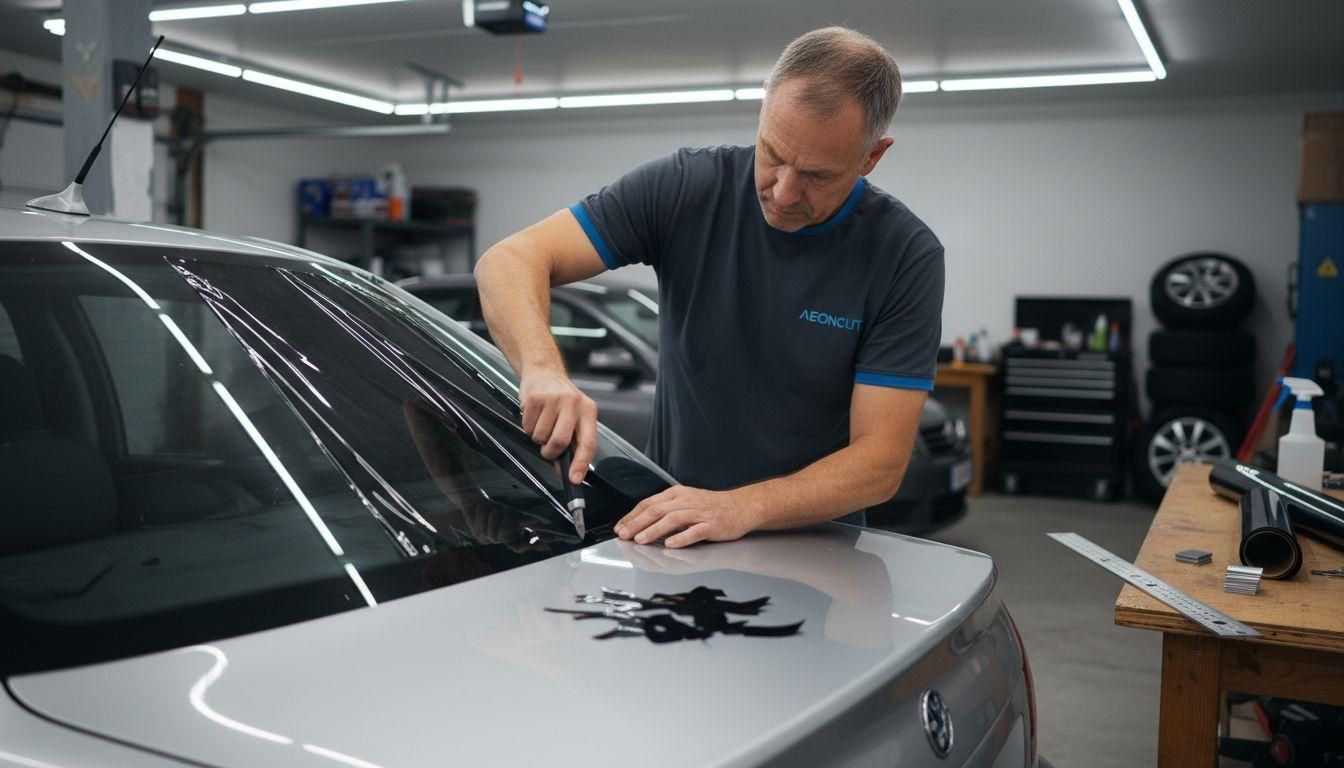
Most Midlands drivers are best served by ceramic tint on the side and rear windows. It handles UV, heat and glare together, and the cooler cabin is noticeable on a July afternoon in Columbia. If you want your car to look factory-stock, or your vehicle already has dark rear privacy glass, a clear film like LLumar AIR adds UV and heat protection with no visible change.
For Your Home
Homeowners usually prefer clear or near-clear films that protect without darkening rooms. Spectrally selective films let in natural light while keeping out much of the heat and nearly all UV. 3M notes its sun control films can reduce temperatures in direct sunlight by up to 9°F. If glare on TVs and computer screens is a problem, a light ceramic film gives more control while keeping a neutral look.
A Note on Fading
UV is the largest single cause of fading, but visible light and heat contribute too. A film that blocks 99% of UV will greatly slow fading but can't stop it entirely. Films that also reject heat and some visible light, such as ceramic or spectrally selective options, provide the most complete fade protection.
How to Choose the Right Film: A Simple Process
1. Define Your Main Goal
Decide what matters most beyond UV protection: heat, glare, privacy or appearance. That one answer narrows the options quickly.
2. Check the Spec Sheet, Not Just the Shade
Ask for each film's UV rejection, infrared rejection and total solar energy rejected. A reputable installer will show you these numbers.
3. Know South Carolina's Tint Laws
For vehicles, darkness limits will shape your options (see the table below). Clear films sit well within legal limits for side and rear windows.
4. See the Films in Person
Shade and clarity look different on real glass in real light. Our film viewers and in-shop samples help you compare before you commit.
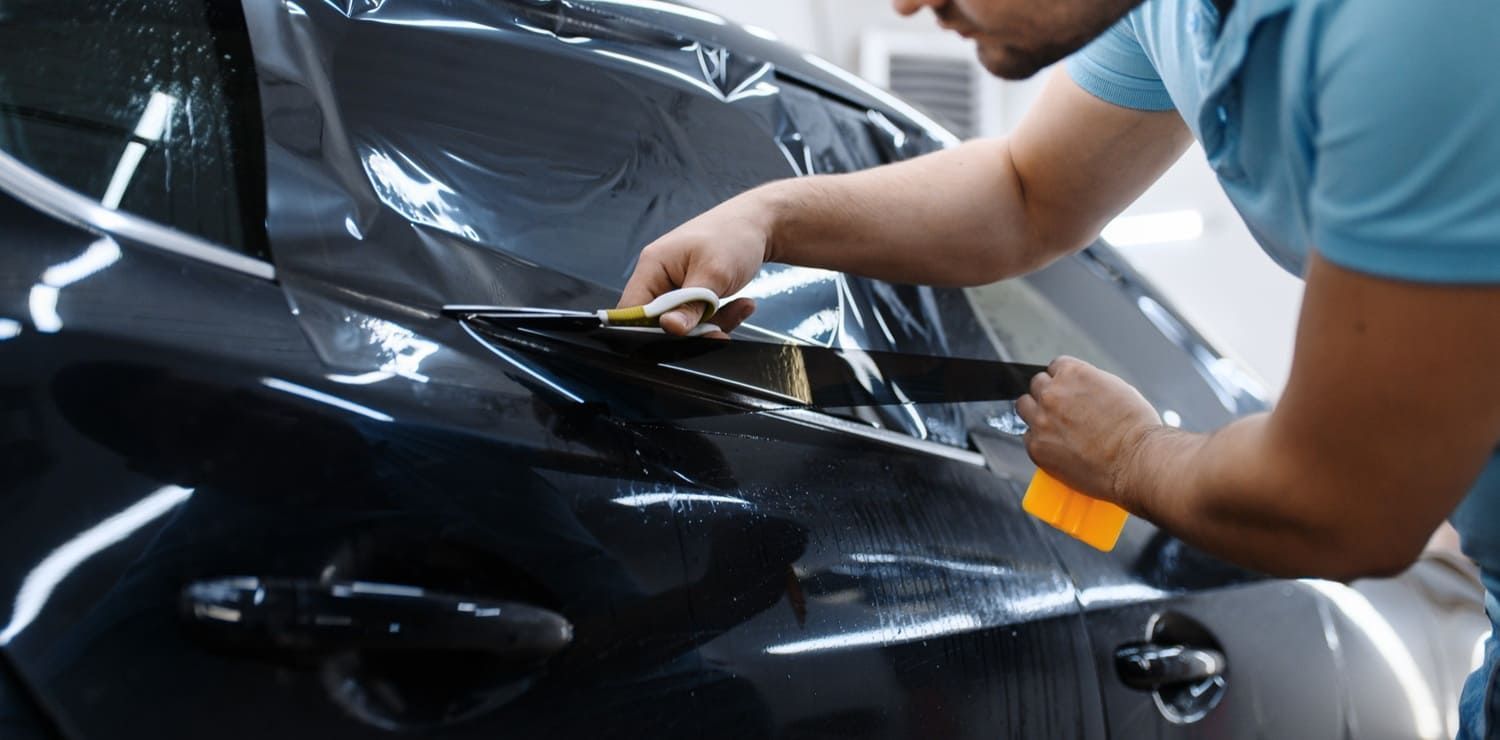
5. Insist on Professional Installation and a Real Warranty
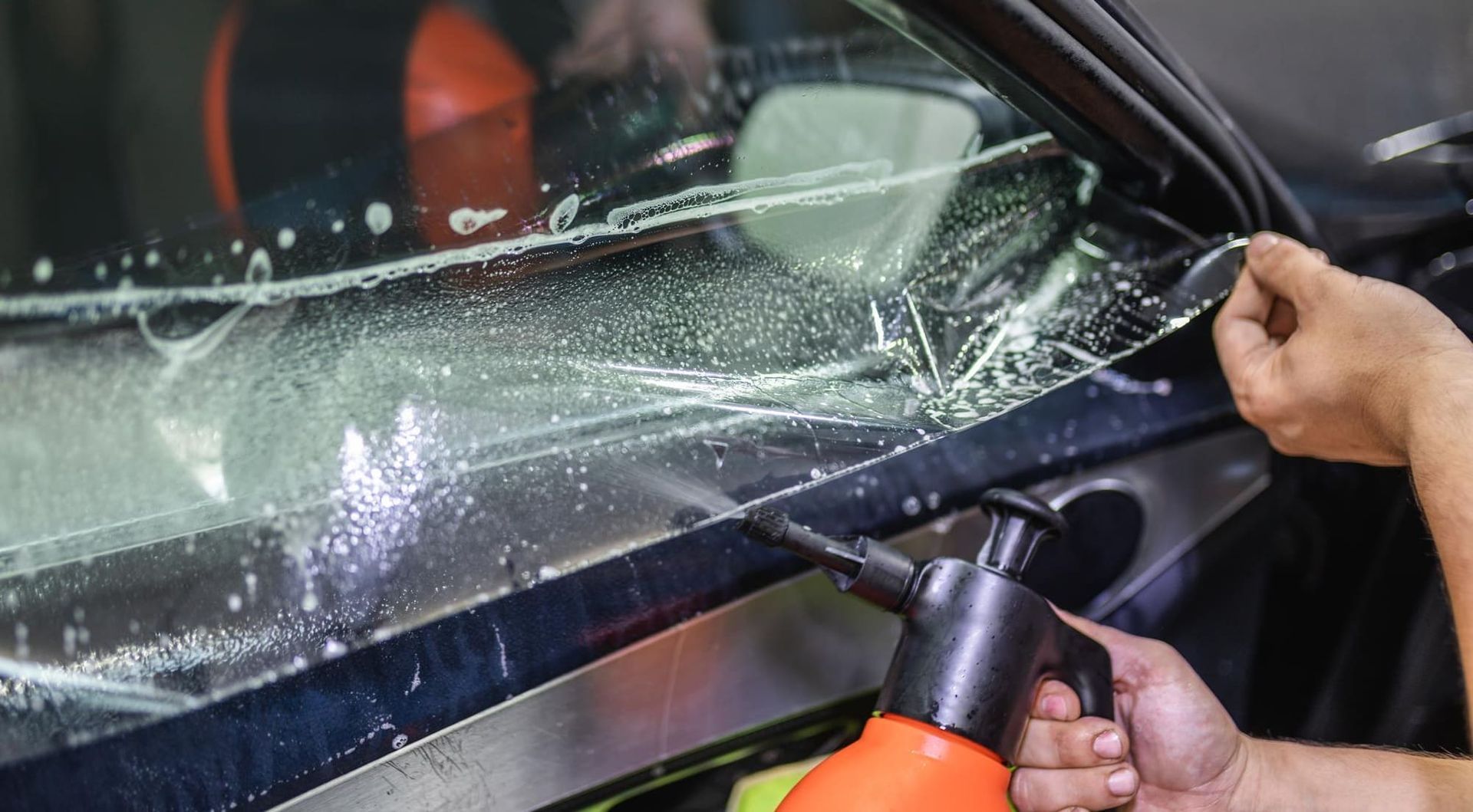
Even the best film underperforms if it's installed poorly. Latitude 33's trained installers work with LLumar and 3M films backed by manufacturer warranties, including LLumar's lifetime limited warranty on automotive film.
South Carolina Auto Tint Laws at a Glance
| Window | Sedans | SUVs and Vans |
|---|---|---|
| Windshield | Non-reflective tint above AS-1 line only | Non-reflective tint above AS-1 line only |
| Front side windows | More than 27% light allowed in | More than 27% light allowed in |
| Back side windows | More than 27% light allowed in | Any darkness |
| Rear window | More than 27% light allowed in | Any darkness |
| Reflectivity | Must be non-reflective | Must be non-reflective |
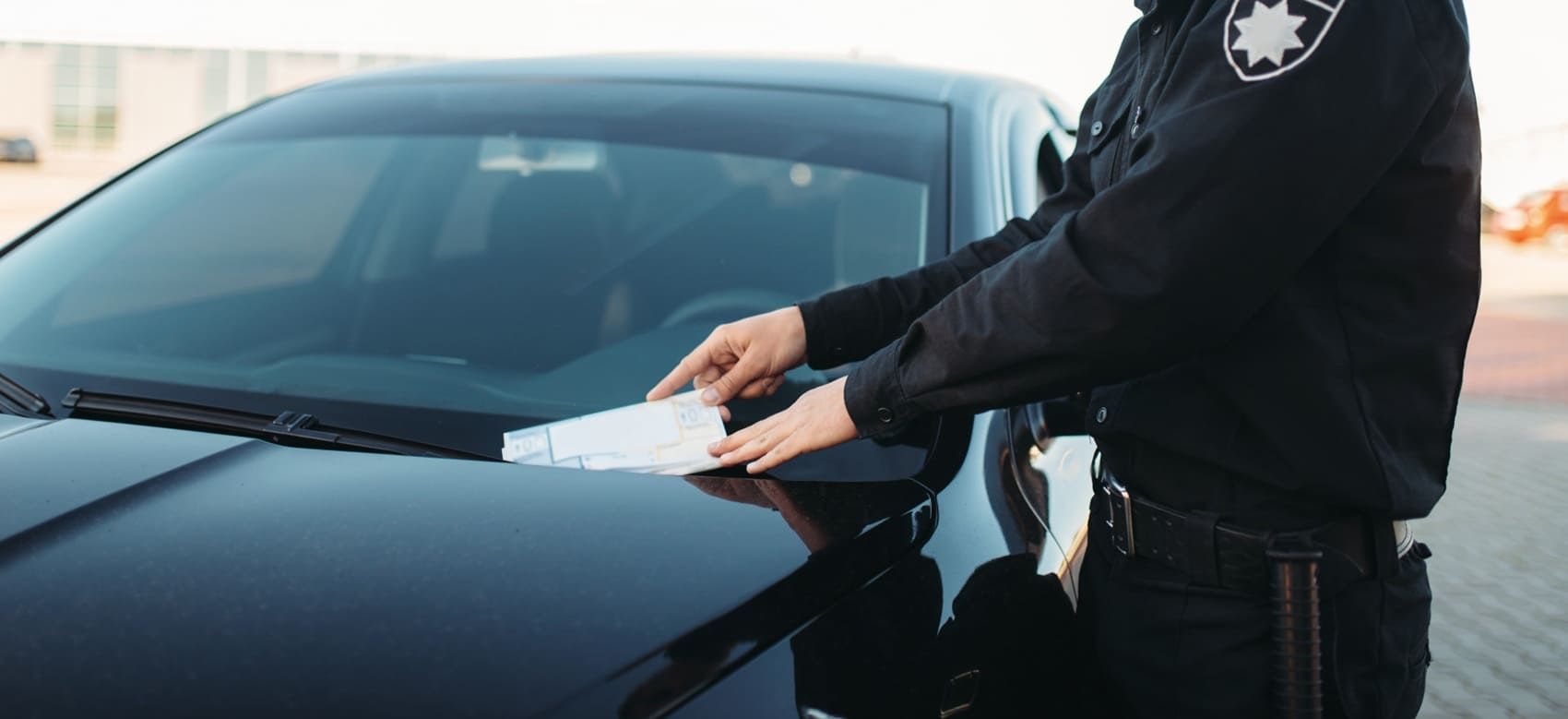
South Carolina also requires manufacturer-certified film, a compliance sticker on each tinted window, and dual side mirrors if the rear window is tinted. Red, amber and yellow tints are prohibited. Violations are a misdemeanor with a minimum $200 fine. Medical exemptions are available, and it's always smart to confirm current rules with local authorities.
Frequently Asked Questions
Does clear window film really block UV rays?
Yes. Quality clear films from manufacturers like LLumar and 3M block 99% or more of UV rays. Clarity has no effect on UV protection, because UV absorbers are built into the film itself.
Is ceramic tint worth the extra cost if UV protection is the same?
It is if you also want heat and glare reduction. Ceramic tint keeps cars and rooms noticeably cooler and reduces eye strain. If UV protection is your only concern and you want no visible change, a clear film may be all you need.
Do factory-tinted car windows block UV?
Not reliably. Factory privacy glass is designed mainly to reduce visible light. Research has found that some factory-tinted windows provide low UVA protection, so adding a UV-blocking film is the only way to be sure.
Can I put clear UV film on my windshield in South Carolina?
South Carolina limits windshield tint to non-reflective film above the manufacturer's AS-1 line. Windshields already block most UVA because of their laminated construction, so side and rear windows are usually where film makes the biggest difference.
Will window film darken my home?
Not if you choose a clear or spectrally selective film. These are designed to be virtually invisible while still blocking UV and much of the sun's heat.
How long does UV-blocking window film last?
Professionally installed premium film is built to last many years. LLumar automotive films carry a lifetime limited warranty, and 3M residential films carry a limited lifetime warranty when professionally installed on a home. Restrictions apply.
The Bottom Line: Choose Based on What Else You Need
When it comes to UV protection alone, ceramic tint and clear UV film are equal. Both block 99% or more of ultraviolet rays when you choose a premium product. The right choice depends on whether you also want heat rejection, glare control and privacy (ceramic) or completely unchanged glass (clear). For many people, a clear nano-ceramic or spectrally selective film offers the best of both.
Latitude 33 Window Tint is an exclusive LLumar SelectPro dealer and authorized 3M dealer serving Columbia, Lexington, West Columbia, Cayce, Forest Acres, Irmo-area neighborhoods, Lugoff, Camden, Sumter and the surrounding Midlands. We don't treat window tinting as just a job; we treat it as a craft, and we show up when we say we will.
Ready to protect your skin, your interior and your home? Visit us at 935 Sunset Blvd in West Columbia, call (803) 451-0722, or request a free estimate online. We're open Monday through Friday, 8:30 AM to 5:30 PM.
*Warranty restrictions apply; see an authorized dealer for details.