Does Ceramic Tint Affect GPS, Radio, or 5G?
Modern vehicles run on wireless connections. Your GPS navigation, phone calls, streaming audio, push button start, and even driver-assist features depend on signals moving constantly through and around your car. If you have ever heard that
window tint can weaken reception, that concern is not random. Older generations of metallic and metalized films sometimes reduced signal strength because they used conductive layers that could reflect or absorb radiofrequency energy. That created real-world issues like spotty GPS lock, fuzzy AM or FM stations, slower cellular data, or inconsistent satellite radio. Today,
nano ceramic window tint has changed the conversation. Ceramic technology is engineered to deliver heat rejection and UV protection without using metal particles that disrupt reception. For drivers in West Columbia, Columbia, Lexington, Cayce, Irmo, and the Midlands, ceramic tint offers comfort in the South Carolina sun while keeping your connectivity stable. This guide explains how signals work, what really causes interference, and how to choose electronics-safe film with confidence.
Table of Contents
1. How GPS, radio, Bluetooth, and 5G work in cars
2. Why metallic window tint caused interference
3. Ceramic vs dyed vs metalized films
4. How nano ceramic tint maintains clarity
5. Windshield tint and antenna placement
6. South Carolina comfort benefits of ceramic tint
7. Professional installation, compatibility, and SC compliance
1. How GPS, radio, Bluetooth, and 5G work in cars
To understand whether does ceramic tint affect GPS or other systems, it helps to know what signals your vehicle uses and where the antennas live. Most in-car wireless systems rely on radiofrequency (RF) energy. RF signals are all around us and your vehicle is designed to receive them using antennas and modules placed strategically for coverage.
GPS navigation works by receiving signals from satellites and calculating position based on timing differences. Your vehicle may have a roof antenna, a shark fin module, or a GPS receiver built into the infotainment system. Many drivers in West Columbia notice GPS performance most during quick turns, highway merges, or dense areas where the receiver needs a clear view of the sky.
AM and FM radio use terrestrial broadcast towers. AM travels farther and can be more sensitive to electrical noise. FM generally provides higher audio quality but can drop in and out depending on terrain, weather, and obstructions. Your vehicle often uses a roof antenna or a rear glass antenna integrated into the window.
Bluetooth is a short-range connection between your phone and the vehicle, typically inside the cabin. Because it is designed for short distances and low power, Bluetooth issues usually come from device settings, software updates, or crowded RF environments, not from tint.
5G and LTE cellular signals connect your phone and sometimes your vehicle’s embedded modem to nearby towers. Data-heavy features like real-time traffic, music streaming, Wi-Fi hotspot, remote start apps, and over-the-air updates can all depend on strong cellular reception. In the Midlands, coverage can vary between interstates, suburban corridors, and rural roads, so maintaining a clean signal path matters.
Satellite radio receives signals from satellites, often through a roof antenna. It can be sensitive to overhead obstructions like parking decks, dense tree cover, or tall buildings. Drivers may notice brief dropouts under bridges or in garages, which is normal regardless of tint type.
Vehicle sensors and safety systems are a separate category. Many sensors do not use RF signals to communicate outside the vehicle. Instead, they use cameras, radar, lidar, ultrasonic sensors, and internal networks. Some advanced driver assistance systems use forward-facing cameras and radar behind the windshield, so visibility and correct film selection matter. This is why windshield tint is worth discussing separately.
Quick compatibility snapshot (high level)
- GPS and satellite radio: satellite signals received mainly through external antennas
- AM/FM: roof or glass antennas, sensitive to noise and obstructions
- Bluetooth: mostly cabin-only, short range
- 5G/LTE: tower-based, affected by terrain, buildings, and sometimes conductive materials
2. Why metallic window tint historically caused interference
When people ask about radio signal window tint issues, they are often remembering older metallic tint products. Traditional metallic or metalized films used thin layers of metal or metal particles to reflect heat. That reflectivity helped with heat control, but metal is conductive. Conductive layers can interact with RF energy and reduce signal strength in certain conditions.
In practical terms, interference from metallic tint is not always a dramatic “no signal” failure. More often it shows up as small but annoying performance drops. Examples include slower cellular data in borderline coverage areas, more frequent GPS recalculations, or weaker AM reception. If the vehicle uses glass-integrated antennas, a conductive film layer on that same glass can sometimes influence how the antenna performs.
Metallic films can also increase reflectivity, which some drivers dislike at night or in rainy conditions. From an electronics perspective, the biggest concern is that metalized films may behave a bit like a partial shield, reflecting or attenuating certain frequencies. The effect depends on the film’s construction, the frequencies involved, and where the antennas are located.
It is also worth separating true RF interference from normal reception variability. In West Columbia and the surrounding areas, cellular and radio reception changes naturally as you drive through river corridors, near interchanges, or under heavy tree cover. The question is whether the film itself introduces measurable loss. Metallic films are the category where that risk has historically been most real.
That history is exactly why ceramic tint became so popular. Drivers want comfort without sacrificing navigation, calls, streaming, and connected features.
3. Ceramic vs dyed vs metalized films
If you are comparing films, here is the simple answer: ceramic tint electronics safe is a real thing because ceramic films achieve performance without conductive metal layers.
Dyed films are often chosen for appearance and glare reduction. They can
provide privacy and a darker look, but they generally do not deliver the same heat rejection as higher-end films. Some dyed films can also fade over time depending on quality.
Metalized films add reflective layers to improve heat control. The tradeoff is that metalized layers are the most likely category to create reception concerns, especially for drivers who rely on stable data and navigation.
Ceramic films use non-metal, non-conductive ceramic particles. They are designed to block infrared energy and provide strong UV protection while keeping visibility clear. For most drivers asking about ceramic tint 5G interference , the key takeaway is that ceramic is the category engineered to avoid the traditional metal-related problems.
Comparison guide (easy scan)
- Dyed tint: Good looks, basic comfort, typically lower heat performance, signal friendly
- Metalized tint: Better heat control, more reflectivity, higher interference risk
- Nano ceramic tint: High heat rejection and UV protection, low reflectivity options, designed to be signal compatible
Performance and compatibility checklist
- Signal compatibility: Ceramic and dyed are typically safest choices
- Heat comfort: Ceramic tends to lead because it targets infrared energy
- Clarity: Quality ceramic films are known for high optical clarity
- Long-term appearance: Premium films are built for color stability and durability
4. How nano ceramic technology maintains signal clarity
Nano ceramic tint uses advanced materials that are not conductive like metal. Instead of relying on metal layers to reflect energy, ceramic films use ceramic particles engineered to manage heat and UV in a different way. The result is that you can get high performance without creating a barrier that disrupts RF signals.
For most vehicles, GPS, cellular, and satellite radio reception depends primarily on antenna design and placement. Many antennas are outside the cabin or integrated into roof modules, which already reduces the chance that side-window tint would matter. Ceramic film focuses on improving comfort through heat rejection and UV protection, not through conductivity.
When drivers ask “does ceramic tint block signals,” the honest answer is that any added layer on glass could theoretically change how energy passes through, but ceramic is built specifically to avoid the kind of attenuation that metalized films can introduce. In real-world terms, ceramic tint is widely used on modern connected vehicles precisely because it is designed for compatibility.
Electronics-safe selection tips
- Choose a non-metal film line when connectivity is a priority
- Ask your installer whether the film is designed to be compatible with GPS, satellite radio, and cellular
- Prioritize reputable manufacturers with consistent specs and warranties
At
Latitude 33 Window Tint, we install LLumar Auto Window Tinting products designed to deliver comfort and clarity without interfering with GPS, radio, or 5G signals. If you are comparing options in the West Columbia area, asking specifically about non-metal ceramic solutions is the fastest path to peace of mind.
5. Windshield tint and antenna placement awareness
Windshield tint is where most “connectivity” questions become practical. Many vehicle systems look through the windshield or live near it. Examples include forward-facing cameras for lane-keeping, rain sensors, light sensors, heads-up displays, and in some models, antenna elements near the glass.
If your vehicle has a camera or sensor housing behind the rearview mirror, film selection and installation technique matter. The goal is to maintain optical clarity and avoid interfering with sensor areas. This is not about RF interference as much as it is about visibility, calibration, and proper film placement.
Some vehicles also use antennas embedded in the glass or placed near the windshield. If you have ever seen a dotted matrix pattern near the top edge of the windshield or specific “clear zones,” those areas can be important for equipment and mounting. A professional installer will recognize these zones and plan the install accordingly.
Best practices for connected vehicles
- Confirm antenna locations: roof module, rear glass, or embedded elements
- Use electronics-safe ceramic film: especially if you rely on strong cellular data
- Respect sensor zones: keep camera and sensor visibility clear
- Follow South Carolina tint laws: especially for windshield tint limitations
If you are considering a windshield strip or other windshield options, it is smart to discuss your vehicle’s equipment with your installer first. This is one reason local expertise matters for drivers in West Columbia and the surrounding Midlands.
6. South Carolina climate benefits of high performance ceramic tint
Connectivity is important, but comfort is the reason many drivers upgrade. In South Carolina, heat and sun exposure can be intense for much of the year. West Columbia drivers experience long warm seasons, strong glare, and high cabin temperatures after short parking stops. Ceramic tint is popular because it addresses comfort without the traditional metal-related downsides.
Key comfort benefits
- Infrared heat rejection: helps reduce the “burn” feeling on skin and surfaces
- UV protection: helps protect interior materials and supports skin safety
- Glare reduction: improves driving comfort during bright afternoons
- Cabin efficiency: can reduce the workload on your vehicle’s air conditioning
For people who commute between West Columbia, downtown Columbia, Lexington, and nearby areas, ceramic tint can make daily driving noticeably more comfortable, especially during summer months. The best part is that high performance ceramic solutions are widely viewed as compatible with modern wireless technology, which is why the “ceramic tint 5G interference” question usually ends with relief.
Infographic-style comparison (quick scan)
- Metalized film: strong reflectivity, heat control, higher signal risk
- Nano ceramic film: high heat comfort, UV protection, designed for signal clarity
- Dyed film: basic comfort, appearance-focused, lower heat performance
7. Professional installation, compatibility, and South Carolina compliance
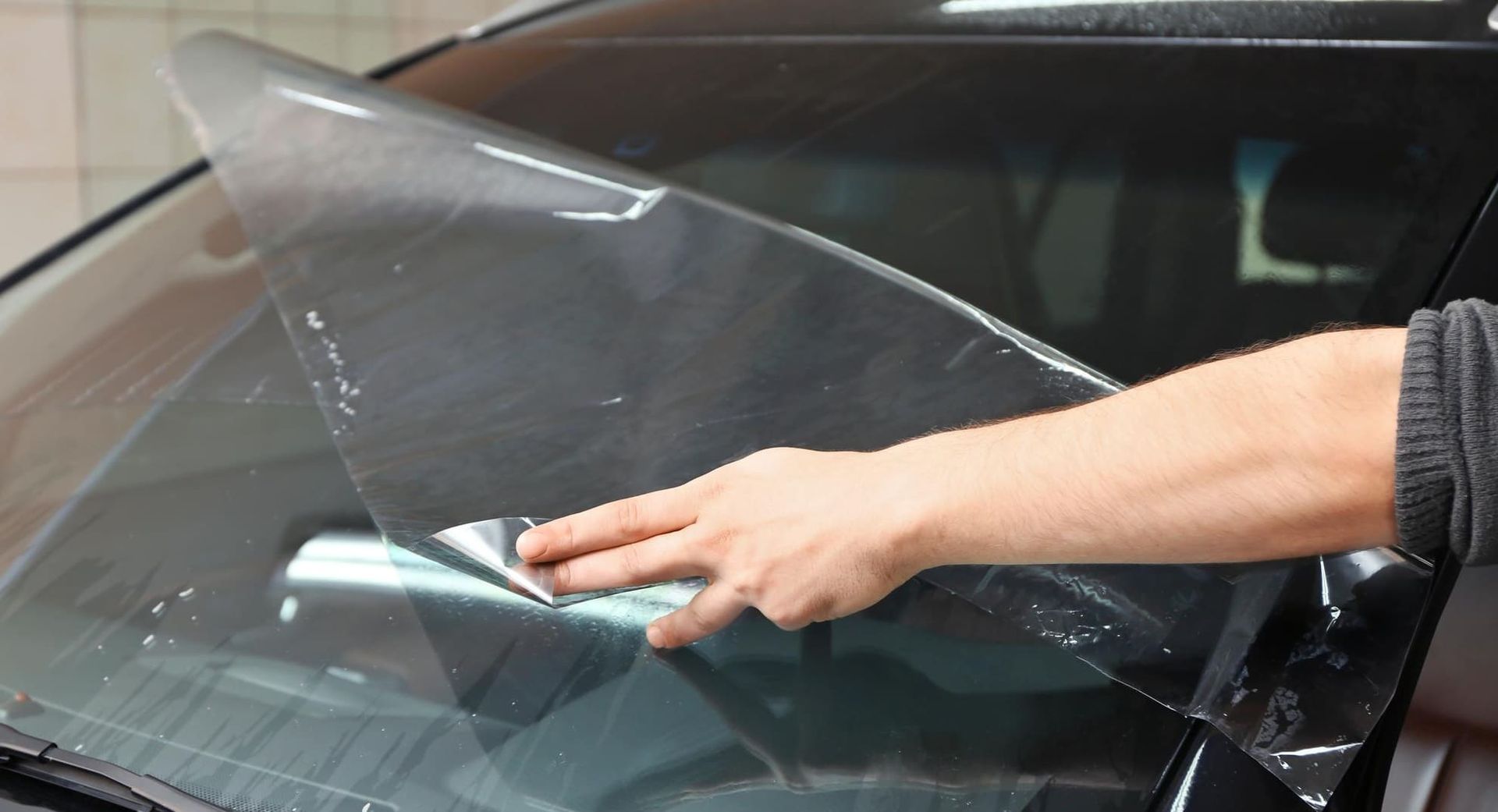
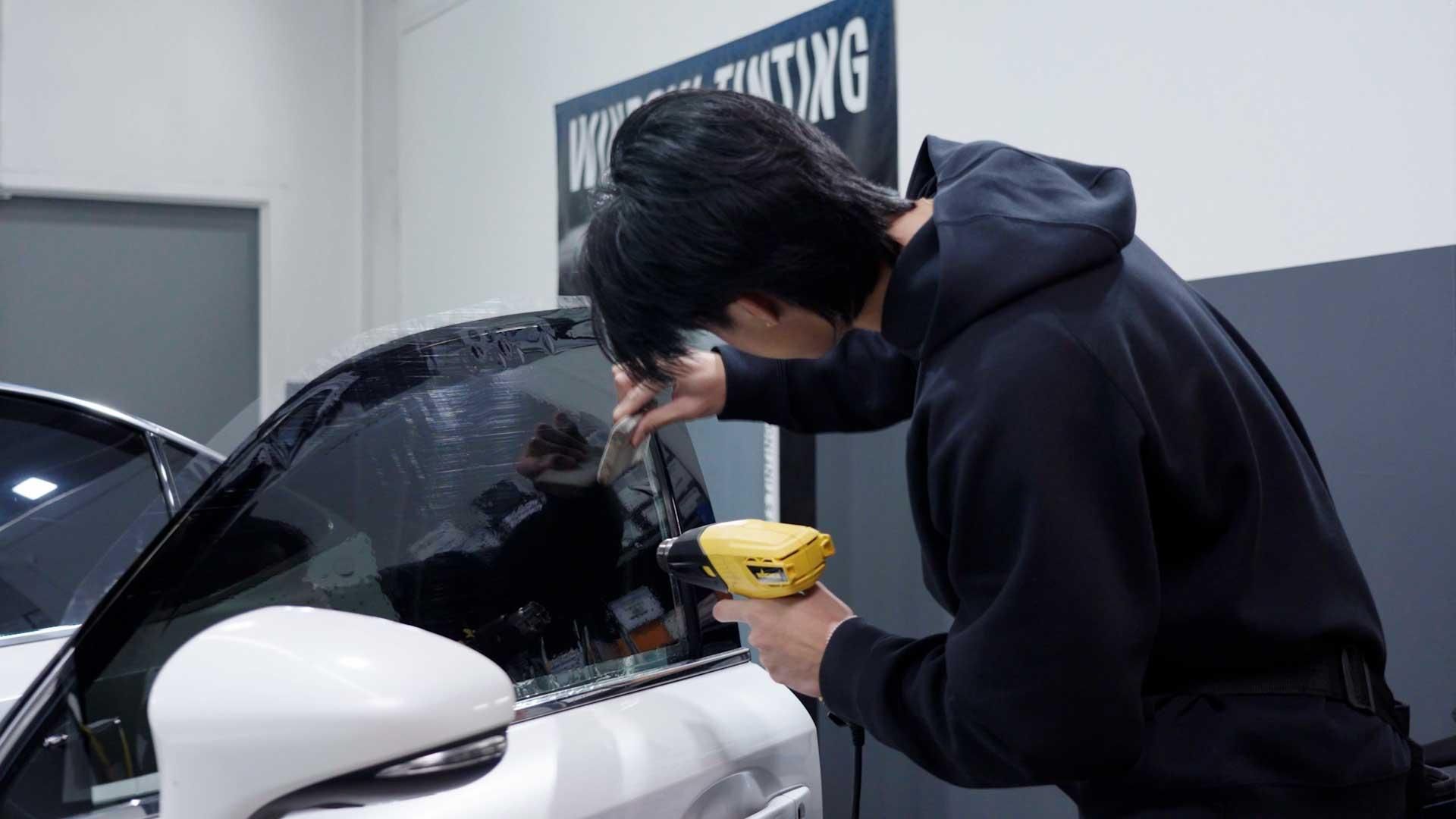
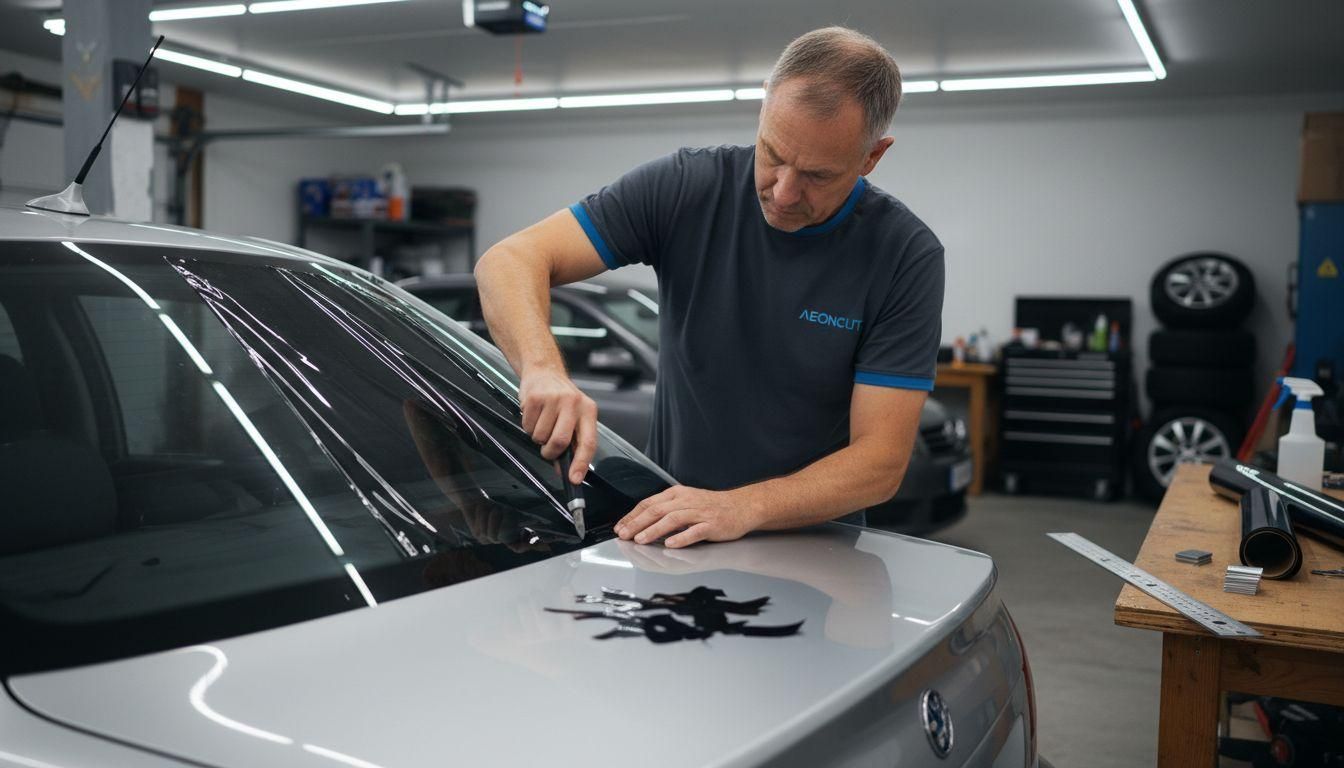
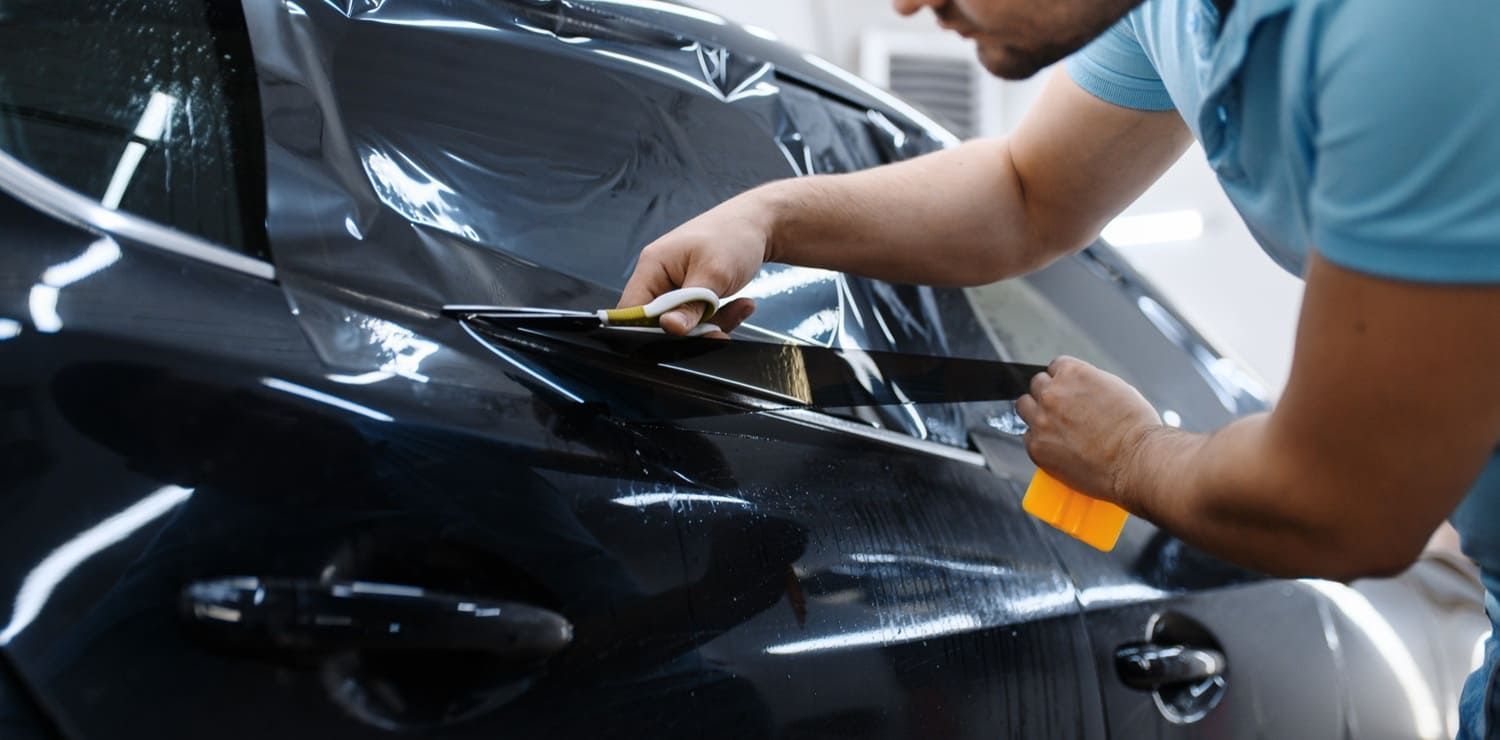
The fastest way to ensure full compatibility is to pair the right film with a high-quality installation. Even an electronics-safe film can perform poorly if it is installed carelessly, contaminated, or cut in a way that impacts sensor zones.
Professional installation also helps you stay compliant with South Carolina tint regulations, which protects you from avoidable tickets and frustration.
Why professional installation matters
- Correct film selection: matching performance goals to a non-metal ceramic option
- Clean application: reduces haze, debris, and long-term lifting
- Sensor awareness: keeps camera and equipment areas clear and functional
- Legal VLT guidance: helps you choose a shade that fits South Carolina rules
- Warranty protection: quality film lines and proper installation support long-term coverage
Latitude 33 Window Tint serves West Columbia and surrounding areas with
professional installation of
LLumar Auto Window Tinting products. If your top concern is connectivity, ask for an electronics-safe ceramic recommendation and mention the devices you rely on most, such as GPS navigation, satellite radio, or 5G hotspot use.
FAQ: Ceramic tint and vehicle connectivity
Does ceramic tint affect GPS?
Quality ceramic tint is designed to be signal compatible. GPS reception is usually driven by antenna placement and sky visibility, not side-window film.
Does ceramic tint block 5G or LTE signals?
Ceramic films are non-metal and are commonly chosen specifically to avoid the signal issues associated with metalized films. If you are worried about ceramic tint 5G interference , ceramic is the safer direction than metallic products.
Can window tint hurt AM or FM radio reception?
Metalized films have historically been the higher-risk category. Ceramic tint is generally considered electronics safe and is far less likely to affect AM/FM reception.
Will ceramic tint interfere with Bluetooth?
Bluetooth is short-range and mainly inside the cabin. Ceramic tint is not a typical cause of Bluetooth issues.
What about satellite radio?
Satellite radio usually uses a roof antenna. Ceramic tint on side windows typically does not affect it. Dropouts are more commonly caused by garages, bridges, and heavy overhead cover.
Can ceramic tint impact push button start systems?
Push button start relies on internal vehicle communication and key fob proximity. Ceramic tint is not known for blocking these systems the way some conductive materials might.
Does windshield tint affect reception or sensors?
Reception is usually less of a concern than camera and sensor visibility. Windshield tint should be planned around sensor zones and South Carolina legal limitations.
Is ceramic tint legal in South Carolina?
Ceramic refers to the material type, not the darkness. Legality depends on visible light transmission limits and windshield rules. A professional installer can help you choose a compliant option.
Does ceramic tint void my vehicle warranty?
Tint does not automatically void a vehicle warranty. Problems typically arise only if a modification causes a documented issue. Choosing quality film and professional installation helps reduce risk.
How do I choose electronics-safe window tint in West Columbia?
Ask specifically for non-metal ceramic film, confirm it is designed for connectivity, and choose a trusted installer. If you want a local option, ask about LLumar window tint West Columbia installations at Latitude 33 Window Tint .
Conclusion and CTA
So, does ceramic tint affect GPS, radio, or 5G? For modern vehicles, high-quality ceramic window tint is engineered to deliver excellent heat rejection and UV protection without the conductive metal layers that historically caused reception problems. That makes ceramic a strong choice for today’s connected drivers who rely on navigation, streaming, hands-free calls, and fast cellular data across West Columbia and the surrounding Midlands.
If you want confidence that your tint is electronics safe, choose a non-metal ceramic film, pay attention to windshield sensor areas, and have it installed professionally.
Latitude 33 Window Tint installs LLumar Auto Window Tinting products designed for comfort, clarity, and compatibility with GPS, AM/FM, Bluetooth, satellite radio, and 5G signals.
Ready to upgrade?
Contact Latitude 33 Window Tint in
West Columbia, SC to get expert guidance and a
free estimate for high performance ceramic window tint solutions built for modern connected vehicles.