Do Windshield Tint Strips Help Glare Without Breaking South Carolina Tint Laws?
Yes. A windshield tint strip is one of the easiest legal ways to cut glare in South Carolina, as long as it stays above your windshield's AS-1 line and uses a non-reflective film. A strip blocks the harsh overhead sun and glare that comes in over the top of your sun visor. It doesn't cover your main line of sight, so it won't solve every glare problem, especially a low sun sitting right on the horizon.
In a city whose own slogan is "Famously Hot," drivers across Columbia, Lexington, and the Midlands deal with intense sun glare almost year-round. This guide explains what
South Carolina law allows on your windshield and how much a tint strip actually helps. It also covers which film works best and how a professional installation keeps you legal.
What Is a Windshield Tint Strip?
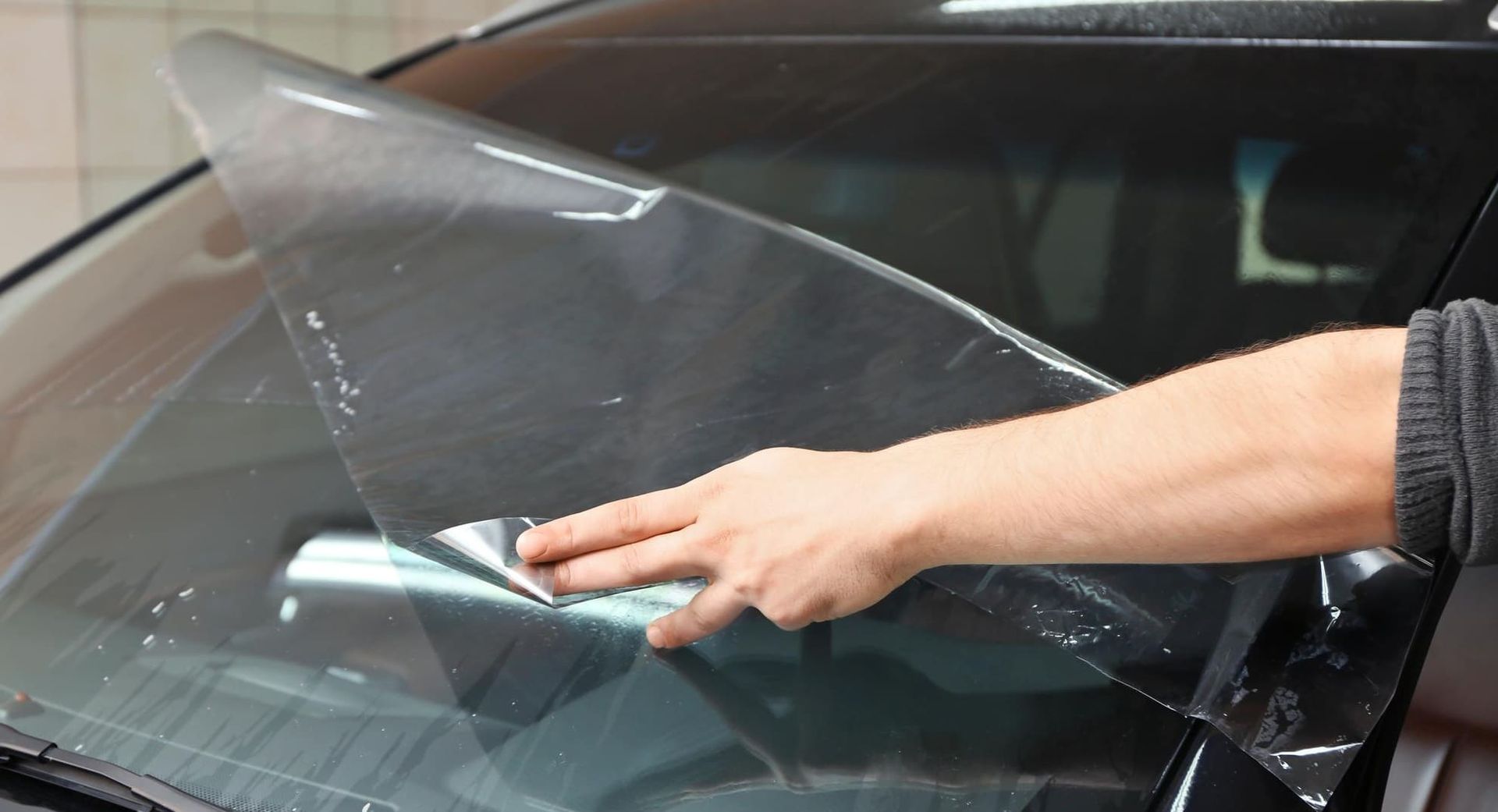
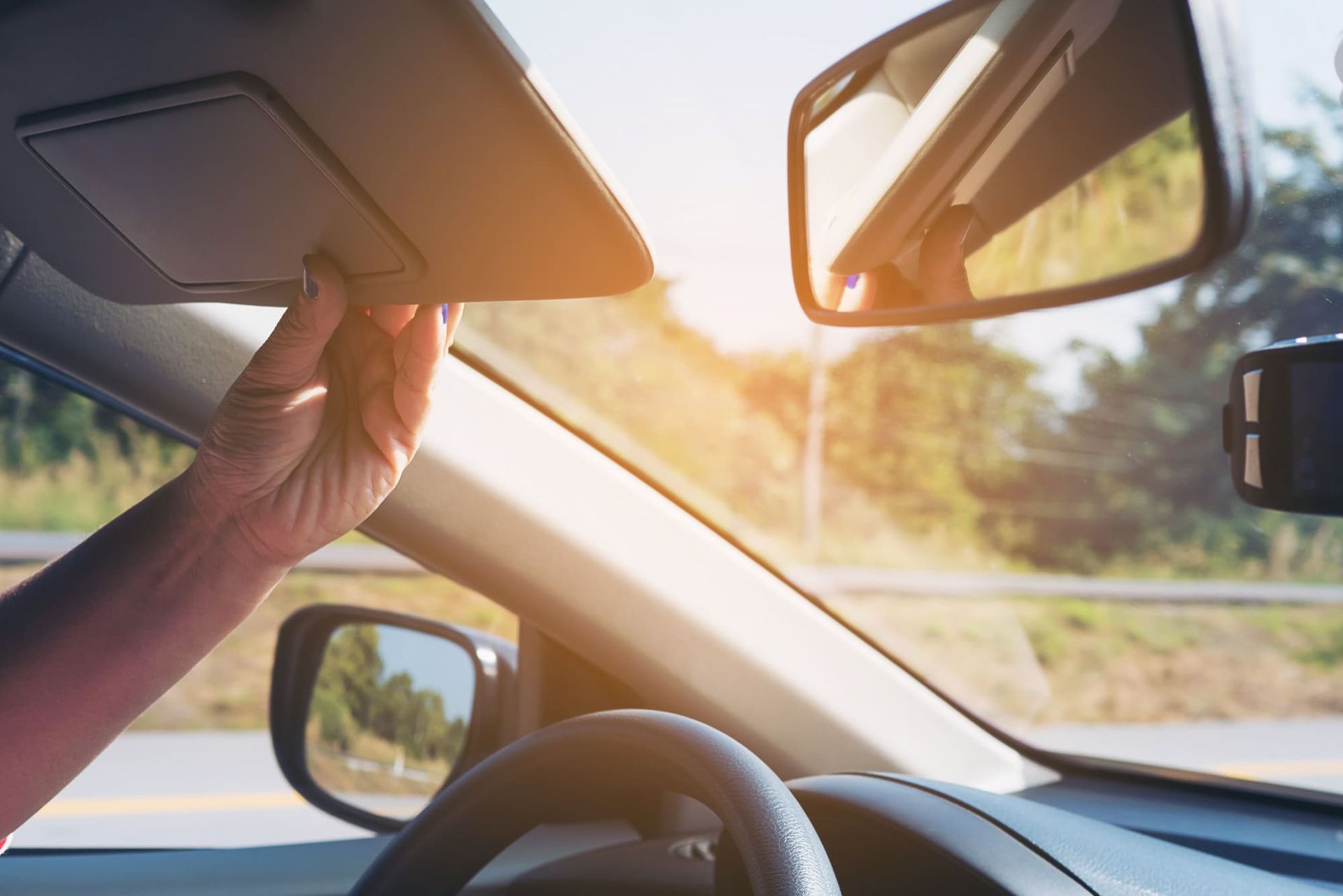
A windshield tint strip is a band of window film applied across the top of the windshield. It's sometimes called a sun strip, visor strip, or eyebrow. It typically runs the full width of the glass and extends down to the AS-1 line.
The AS-1 line is a marking that vehicle manufacturers place on the windshield, usually near the top corners. It shows the boundary of the area that's tested for optical clarity. Below that line is your critical driving view. Above it is the area where most states, including South Carolina, allow limited tint.
If you can't find the marking on your windshield, a professional installer can locate the AS-1 line for your specific vehicle.
Are Windshield Tint Strips Legal in South Carolina?
Yes. South Carolina allows non-reflective tint on the windshield above the manufacturer's AS-1 line. Here's how the windshield rules fit into the state's broader tint laws:
| Window | Sedans | SUVs and Vans |
|---|---|---|
| Windshield | Non-reflective tint above the AS-1 line only | Non-reflective tint above the AS-1 line only |
| Front side windows | More than 27% VLT | More than 27% VLT |
| Back side windows | More than 27% VLT | Any darkness |
| Rear window | More than 27% VLT | Any darkness |
| Reflectivity | Must be non-reflective | Must be non-reflective |
South Carolina also has several related rules that apply to tint:
- Red, amber, and yellow tint colors are not permitted.
- Film manufacturers must certify the film they sell in South Carolina.
- A sticker identifying legal tint is required between the film and glass on tinted windows.
- Dual side mirrors are required if the back window is tinted.
- Medical exemptions are available for qualifying conditions.
Tint violations in South Carolina can be treated as a misdemeanor, and the penalties can include fines and even potential jail time. That makes getting it right the first time well worth it. Laws can change and may be interpreted differently by local authorities, so always confirm current rules with the SCDMV or local law enforcement.
Do Windshield Tint Strips Actually Help With Glare?
A tint strip helps with some types of glare very well and with others not at all. Knowing the difference helps you set realistic expectations.
Where a Tint Strip Helps Most
Overhead sun is where strips do their best work. When the sun is mid-height in the sky, it often comes in over the top of your sun visor. A strip catches that light before it reaches your eyes. Taller drivers, SUV and truck drivers, and anyone who sits upright with the seat raised usually notice the biggest difference.
Strips also help with glare from traffic lights and overhead signs. Looking up at a light under a bright sky can be painful, and a darkened strip makes it easier to see the signal clearly.
A strip also fills the gap between your visors. Most cars leave a section between the two visors near the rearview mirror wide open, and a full-width strip covers it.
Where a Tint Strip Won't Help
A strip won't block sun that's directly in front of you near the horizon. During sunrise and sunset, the sun sits low and shines straight through the clear part of your windshield. Midlands commuters know this well. Driving east into Columbia on I-26 or I-20 in the morning, or heading west toward Lexington in the evening, often puts the sun right in your line of sight. For those moments, you'll still need your sun visor and a good pair of polarized sunglasses.
A strip also won't reduce glare from oncoming headlights at night, since that glare comes through the lower windshield.
| Glare Situation | Does a Tint Strip Help? | Best Additional Solution |
|---|---|---|
| Midday or high overhead sun | Yes, significantly | None needed |
| Sun peeking over the visor | Yes | None needed |
| Gap between the two visors | Yes, with full-width coverage | None needed |
| Bright sky and traffic lights | Yes | Polarized sunglasses |
| Low sunrise or sunset sun | Minimal | Visor and polarized sunglasses |
| Oncoming headlights at night | No | Clean windshield, properly aimed headlights |
How Dark Can a Windshield Tint Strip Be in South Carolina?
South Carolina's windshield rule focuses on placement and reflectivity rather than a specific darkness percentage. The strip must stay above the AS-1 line and must be non-reflective. That's why many drivers choose a fairly dark shade for their strip, often in the 5% to 20% VLT range, to get maximum glare reduction in that zone.
A few factors are worth considering when choosing a shade:
- Darker shades block more glare but can make traffic lights mounted high on poles harder to see at certain angles, especially at night.
- Lighter shades give a subtler look while still cutting overhead brightness.
- Matching your side windows gives the vehicle a clean, uniform appearance.
A professional installer can show you film samples against your windshield so you can see the difference before choosing.
Which Window Film Is Best for a Windshield Strip?
Because South Carolina requires windshield tint to be non-reflective, the type of film matters as much as the shade. Here's how LLumar's automotive lineup compares for windshield strips:
| LLumar Film Series | Construction | Reflective? | Heat Rejection | Good for a Windshield Strip? |
|---|---|---|---|---|
| IRX Series | Infrared-rejecting ceramic | No | Best | Yes, top choice for glare and heat |
| CTX Series | Nano-ceramic | No | Superior | Yes, excellent and signal-friendly |
| ATC Series | Premium dyed | No | Good | Yes, budget-friendly option |
| ATR Series | Metallized | Has a reflective look | Excellent | Generally not ideal for windshield use |
| AIR Series | High-visibility nano-ceramic | No | Superior for its clarity | Better suited to side windows |
Why Ceramic Film Is Worth It on a Strip
Ceramic films like IRX and CTX don't just darken the strip. They also reject infrared heat coming through the top of the windshield, where the sun often beats down on your forehead and the dashboard. Ceramic films also won't interfere with GPS, phone signals, toll transponders, or keyless entry. That matters because many transponders and sensors are mounted near the top of the windshield.
Why Metallized Film Is a Poor Fit
Metallized films reflect heat effectively, but they have a reflective finish. Because South Carolina requires non-reflective tint on the windshield, it's smart to stick with a ceramic or dyed film in this location.
Will a Tint Strip Interfere With My Car's Cameras and Sensors?
Many newer vehicles have cameras and sensors mounted behind the windshield near the rearview mirror. These include lane-keeping cameras, automatic emergency braking sensors, rain sensors, and automatic high-beam sensors. These systems need a clear view through the glass.
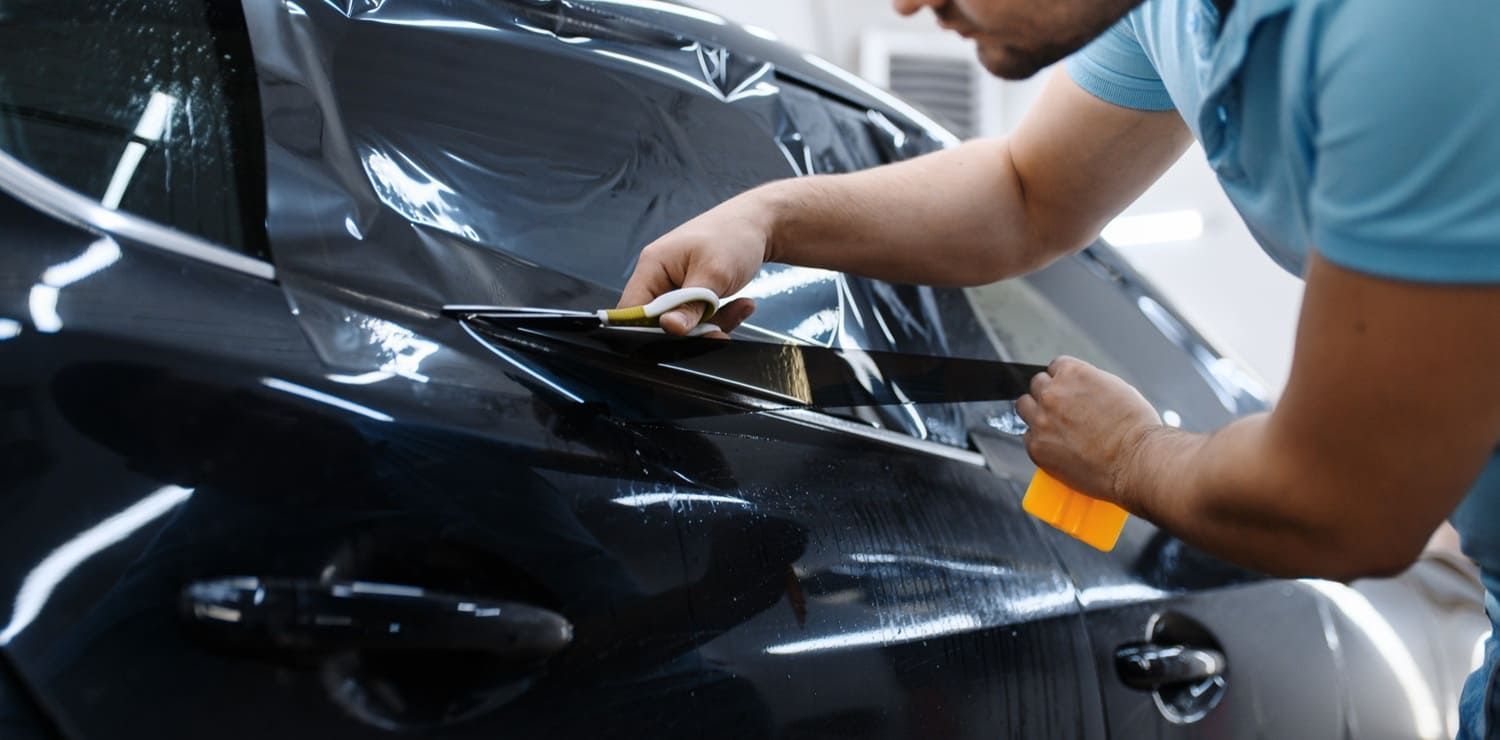
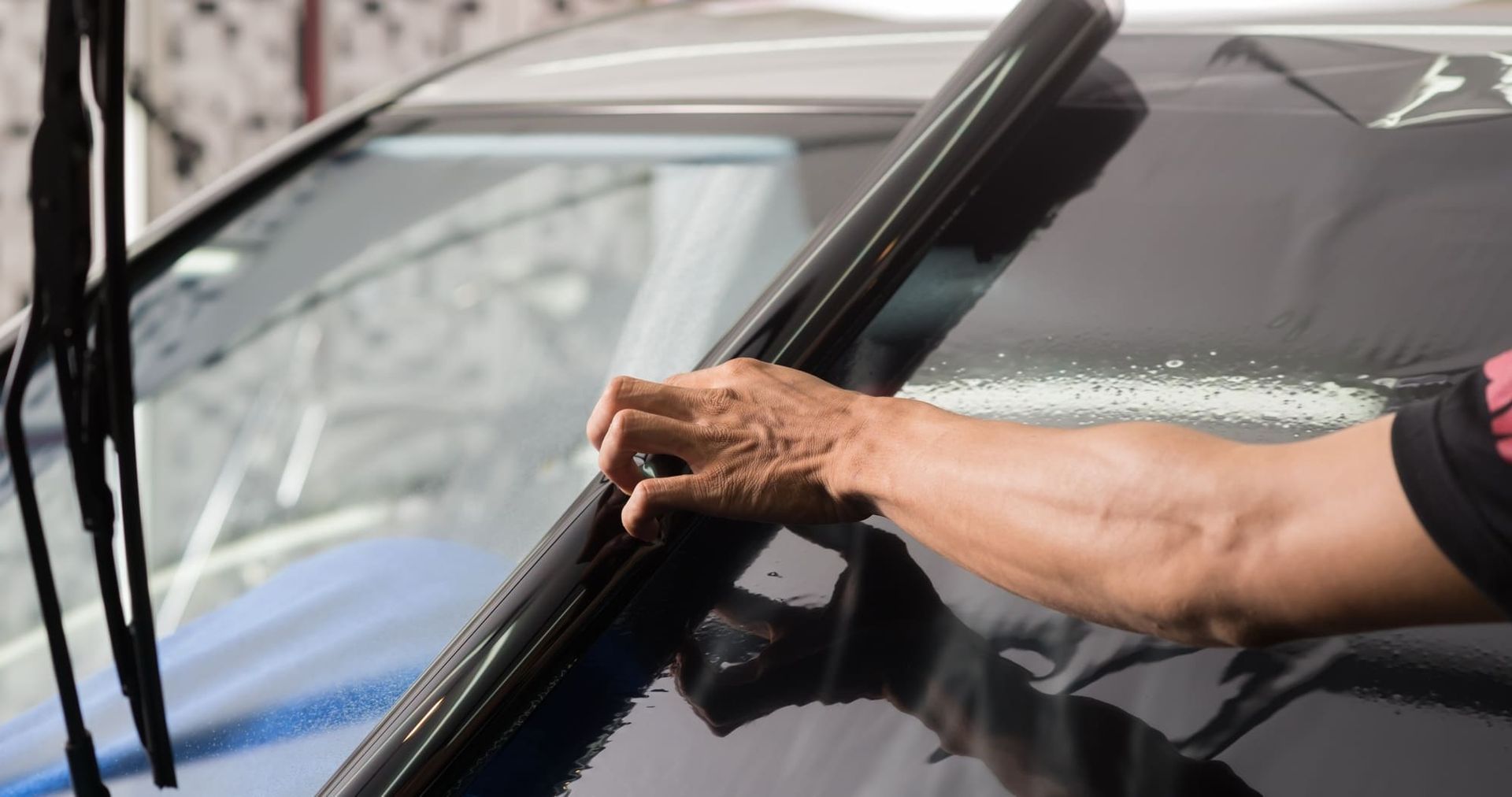
A professional installer will cut the film precisely around these sensor areas, leaving the openings clear so your driver-assistance features keep working properly. This is one of the biggest reasons not to apply a strip yourself. A strip that covers a camera window can trigger warning lights or cause safety systems to work incorrectly.
Can I Tint My Whole Windshield in South Carolina?
Under South Carolina's tint rules, windshield tint is limited to non-reflective film above the AS-1 line. Applying tint below that line generally isn't permitted unless you have an approved medical exemption. Drivers with light-sensitive conditions such as lupus, certain skin disorders, or photosensitivity can apply for an exemption through the SCDMV with supporting documentation from a physician.
If you want more heat and UV protection without darkening your windshield, talk with your installer about what's allowed for your situation. Meanwhile, high-performance ceramic film on your side and rear windows will make a big difference in overall cabin comfort.
How a Professional Windshield Strip Installation Works
A clean, legal strip comes down to careful prep and precise cutting.
Step 1: Locate the AS-1 Line
The installer finds the AS-1 marking on your windshield and plans the strip so it stays at or above that line.
Step 2: Clean and Prep the Glass
The windshield is thoroughly cleaned so no dust, oils, or debris end up trapped under the film.
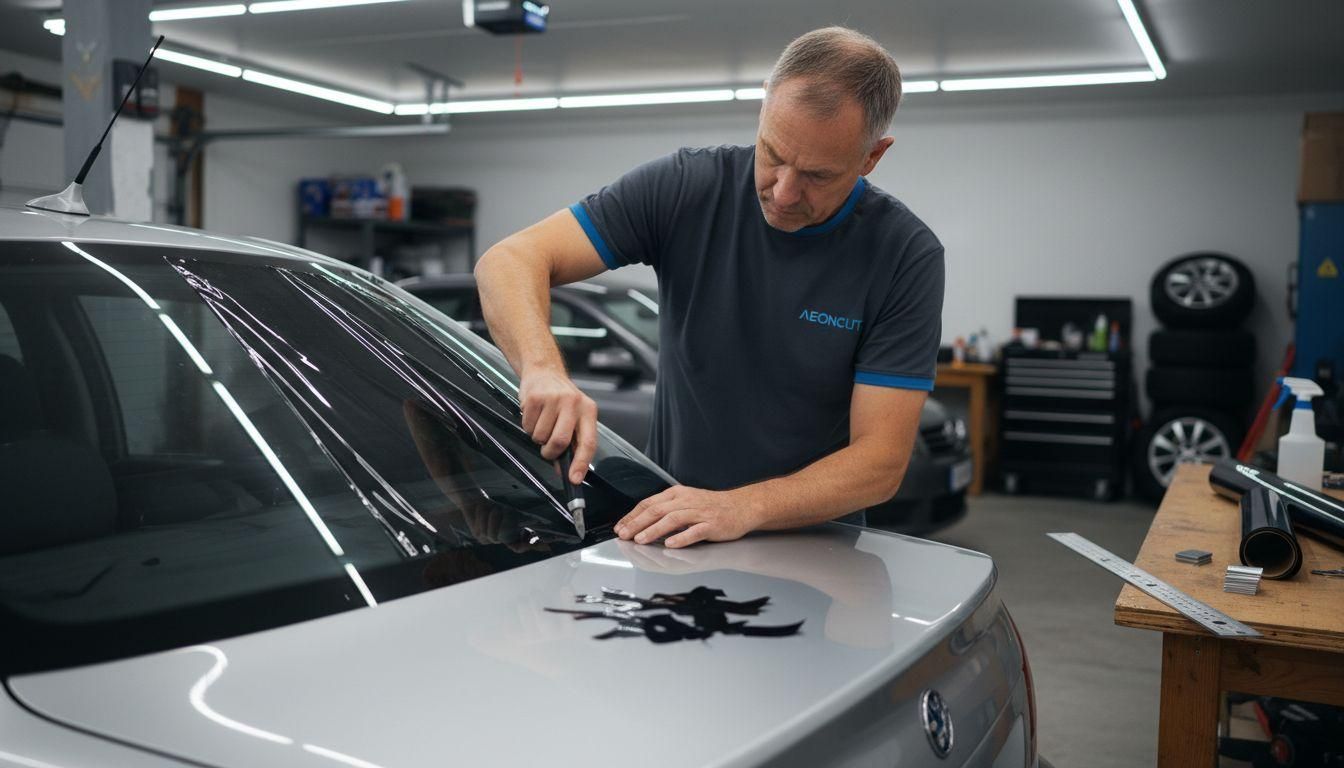
Step 3: Precision Cut Around Sensors
The film is cut to follow the windshield's shape, with clean openings around cameras, rain sensors, and other equipment.
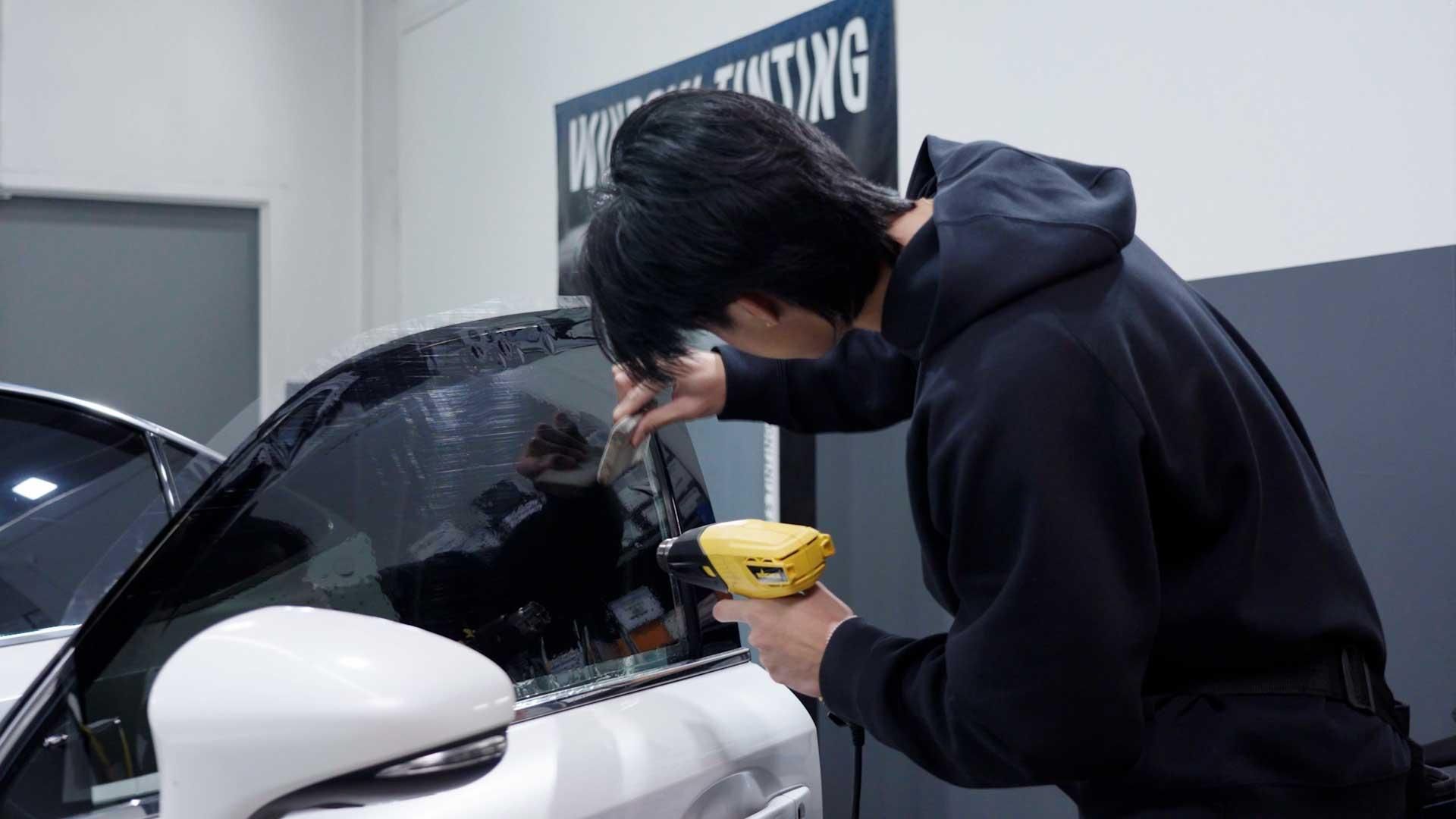
Step 4: Apply and Shrink the Film
Windshields are curved, so the film is heat-shrunk to conform to the glass. This step prevents bubbles, creases, and lifting edges.
Step 5: Final Inspection
The strip is checked for a smooth, straight bottom edge and proper placement. Required labels are also applied.
Tips for Getting the Most Glare Relief
A tint strip works best as part of a complete glare-reduction approach:
- Keep your windshield clean inside and out. A hazy film on the inside of the glass scatters light and makes glare much worse.
- Replace worn wiper blades. Streaks catch sunlight and headlights.
- Use polarized sunglasses for low-angle sun during sunrise and sunset commutes.
- Pair your strip with ceramic side window tint. This reduces glare and heat from the sides, especially during long drives on I-26, I-77, or I-20.
- Use your sun visor's extension or side swing for sun coming through the driver's window.
Why Midlands Drivers Choose Latitude 33 Window Tint
Latitude 33 Window Tint in West Columbia is an exclusive LLumar SelectPro dealer and an authorized 3M dealer. That means you get access to two of the most trusted names in window film and a team trained to install them properly. LLumar automotive films installed by Latitude 33 come with a manufacturer's lifetime limited warranty against bubbling, cracking, and color change (restrictions apply).
The team installs everything from windshield strips to full-vehicle ceramic tint, plus residential and commercial window films. Its expert installers understand South Carolina tint law, so you'll get straight answers about what's legal for your vehicle. Latitude 33 serves drivers throughout Columbia, Lexington, West Columbia, Forest Acres, Dentsville, Hopkins, Woodfield, Eastover, Lugoff, Sumter, and the surrounding Midlands.
Frequently Asked Questions About Windshield Tint Strips
Are windshield tint strips legal in South Carolina?
Yes. South Carolina allows non-reflective tint on the windshield above the manufacturer's AS-1 line.
How far down can a windshield tint strip go?
The strip must stay above the AS-1 line, which is marked by the manufacturer near the top of most windshields. A professional installer can locate it if the marking is hard to find.
How dark can a windshield tint strip be in South Carolina?
South Carolina's rule for the windshield focuses on keeping tint above the AS-1 line and non-reflective. Many drivers choose a dark shade between 5% and 20% VLT for maximum glare reduction.
Do tint strips help with sunrise and sunset glare?
Only partly. Low sun near the horizon shines through the clear part of your windshield, so you'll still need your visor and sunglasses during those times.
Will a windshield tint strip affect my car's safety cameras?
It shouldn't, if it's installed professionally. Installers cut openings around cameras and sensors so driver-assistance systems keep working normally.
Can I tint my entire windshield in South Carolina?
Generally no. Windshield tint is limited to the area above the AS-1 line unless you have an approved medical exemption from the SCDMV.
How much does a windshield tint strip cost?
A windshield strip is usually one of the most affordable tint services. Pricing depends on your vehicle and the film you choose. Contact a local installer for a free estimate.
Cut the Glare and Stay Legal With a Professional Tint Strip
Windshield tint strips are a simple, legal way to reduce overhead glare and heat in South Carolina, as long as they stay above the AS-1 line and use a non-reflective film. They won't replace your visor or sunglasses at sunrise and sunset. They will take the edge off the harsh Midlands sun for much of the day. Choose a ceramic film for added heat rejection and electronics-friendly performance, and leave the installation to professionals who know the law.
Ready to make your drive more comfortable? Visit
Latitude 33 Window Tint at
935 Sunset Blvd in West Columbia, or
call (803) 573-0128 Monday through Friday, 8:30 AM to 5:30 PM. You can also request a
free automotive tint estimate online and compare shades with the automotive film viewer.