2026 South Carolina Tint Laws for All Vehicles
Window tint laws are a crucial consideration for anyone driving in South Carolina, especially in West Columbia and neighboring communities. For 2026, South Carolina is enforcing updated regulations that affect how dark and reflective your car, truck, SUV, or van windows can be. Staying up to date with window tint laws matters more than ever, as police are conducting stricter checks, and violations can lead to fines, mandatory removal, re-tinting costs, and even vehicle inspection failures. The right
window tint protects you from harsh summer heat and UV rays while keeping your car interior comfortable, but exceeding legal limits can be costly. Understanding the latest 2026
South Carolina tint laws allows you to drive with confidence, stay compliant, and enjoy all the
benefits of
professional window film. This comprehensive guide covers everything
West Columbia, SC vehicle owners need to stay legal and maximize protection, style, and comfort with Latitude 33 Window Tint and LLumar products.
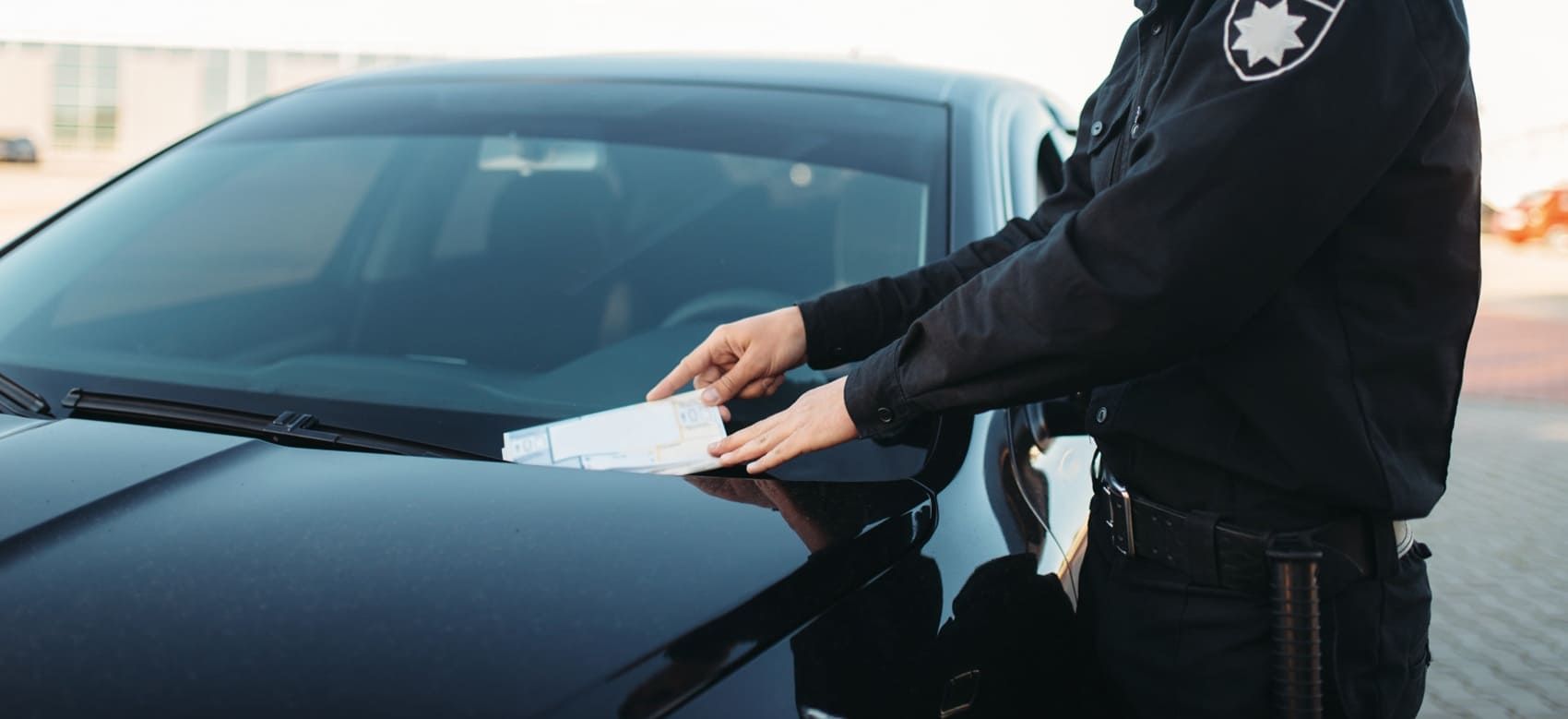
Table of Contents
- Overview of South Carolina Window Tint Laws and 2026 Key Updates
- Legal Visible Light Transmission (VLT) Requirements by Vehicle Type
- Windshield Tint Regulations: Tint Strip Placement and Visibility
- Reflectivity Limits, Color Rules, and Prohibited Tint Materials
- How Law Enforcement Measures Tint and What to Expect at Traffic Stops
- Penalties, Fines, and Compliance Requirements for Illegal Tint
- How to Choose Compliant Window Tint for Heat, Glare, and UV Protection
- FAQ: South Carolina Window Tint Laws 2026
1. Overview of South Carolina Window Tint Laws and 2026 Key Updates
Understanding South Carolina’s window tint laws is the first step to safe, compliant driving in 2026. The State regulates how much visible light can pass through tinted windows (known as VLT or Visible Light Transmission), as well as rules for reflectivity, color, and windshield coverage. In 2026, several laws have been updated to enhance safety, standardize tint inspection practices, and align state law with the latest vehicle technology. Key updates include clarified VLT percentages for SUVs and trucks, enhanced tint meter accuracy standards, and revised penalty structures to discourage illegal tint installations. South Carolina drivers are strongly advised to stay informed and ensure all vehicle windows comply with the most recent legal limits before scheduling
professional tint installation with Latitude 33 Window Tint in West Columbia, SC.
2. Legal Visible Light Transmission (VLT) Requirements by Vehicle Type
Visible Light Transmission, or VLT, measures the percentage of light allowed through your window after tinting. South Carolina’s requirements differ for cars, trucks, SUVs, and vans. The VLT limit is defined for each major class of vehicle. The table below summarizes the legal VLT limits as of 2026:
| Vehicle Type | Front Side Windows | Rear Side Windows | Rear Window |
|---|---|---|---|
| Passenger Cars | 27% VLT or higher | 27% VLT or higher | 27% VLT or higher |
| Trucks, SUVs, Vans | 27% VLT or higher | Any darkness allowed | Any darkness allowed |
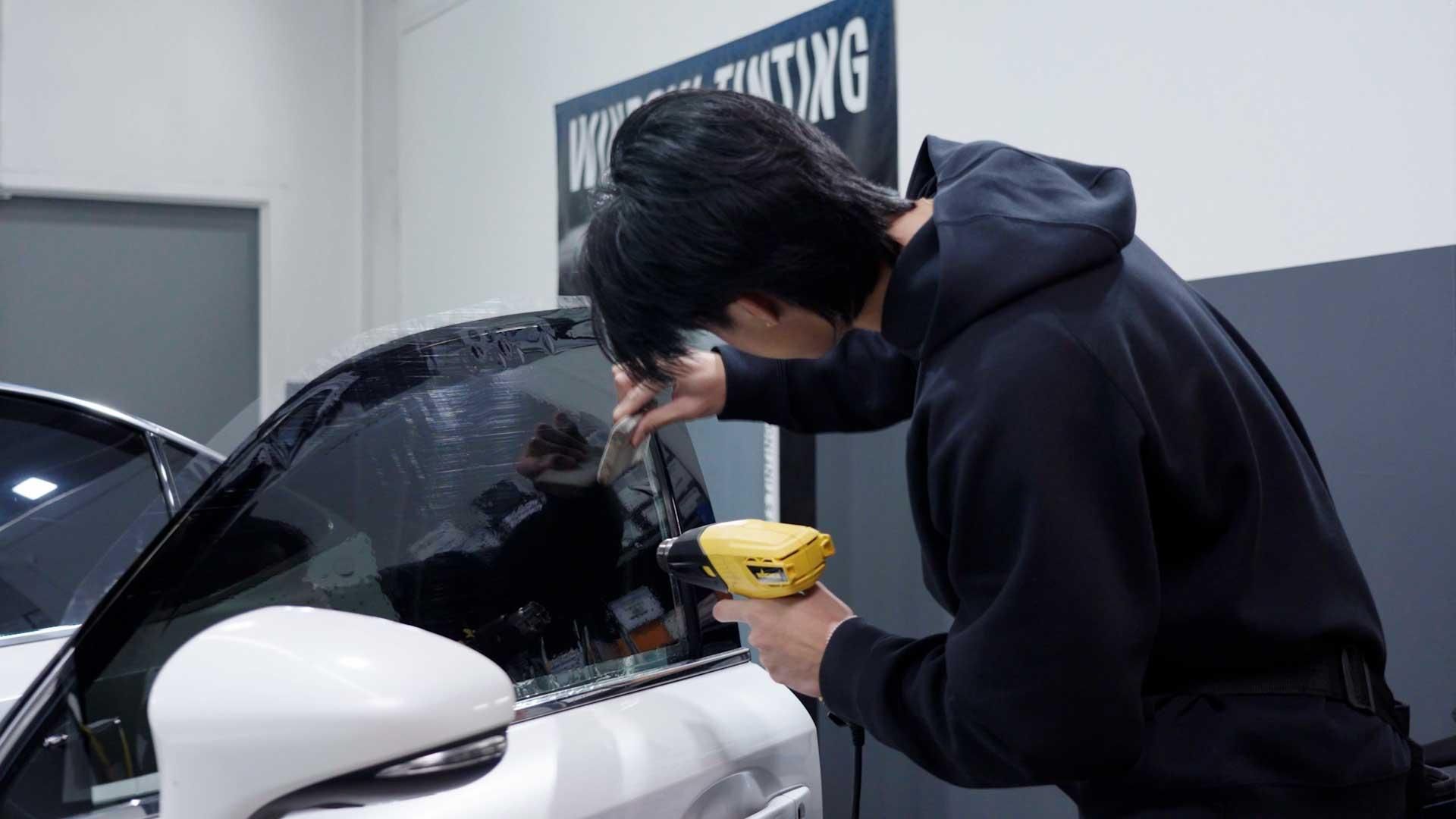
Factory tint counts toward total VLT, so aftermarket tint must be selected carefully to stay within legal limits. Latitude 33 Window Tint carries LLumar window films that enable legal installations while delivering maximum comfort and protection. Always verify your VLT percentage with a certified installer to avoid costly mistakes.
3. Windshield Tint Regulations: Tint Strip Placement and Visibility
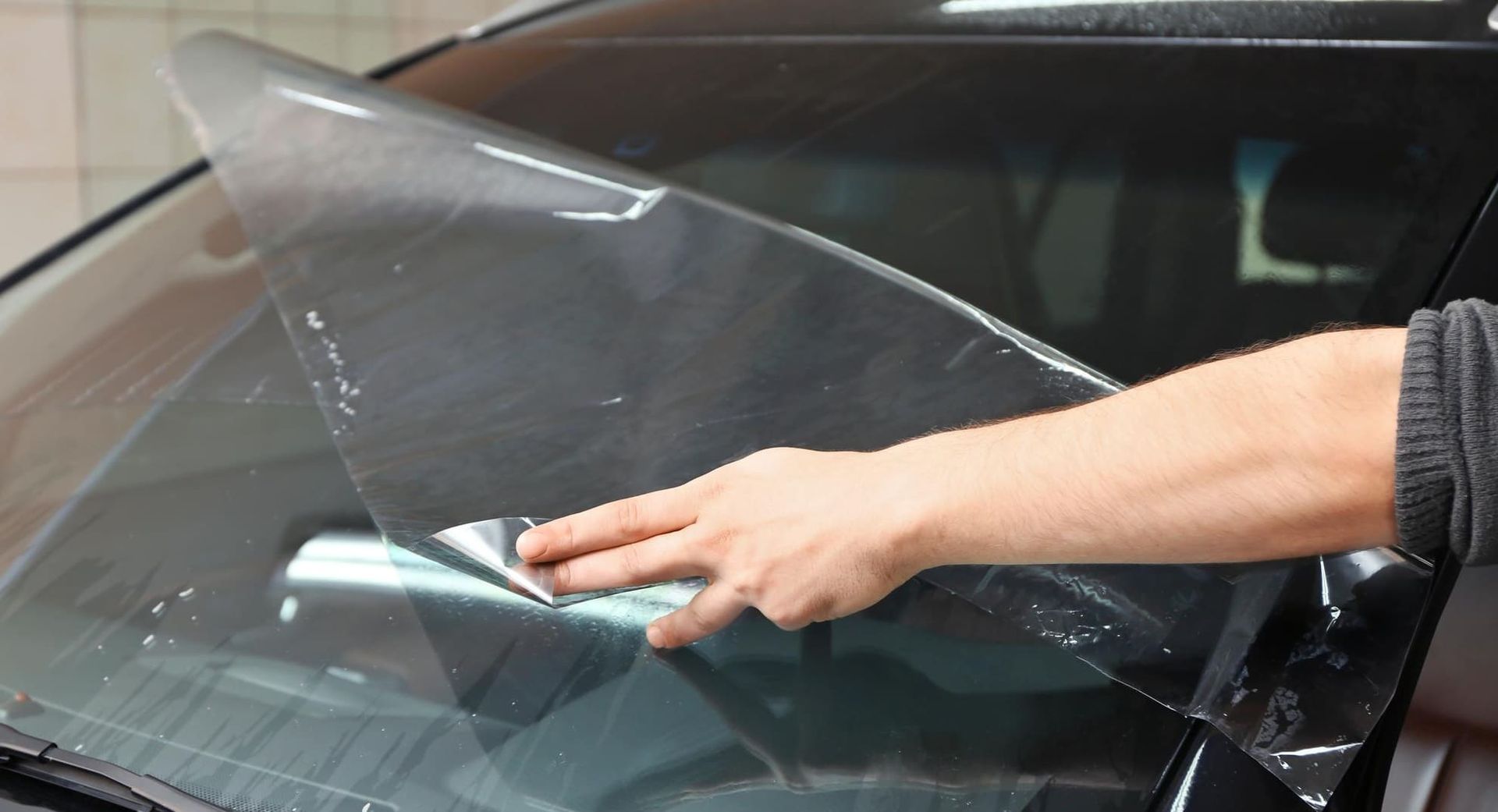
South Carolina allows only limited tinting of the windshield. The law permits a non-reflective window tint strip along the top portion of the windshield, often called an "eyebrow." This strip must not extend more than the AS-1 line, which is typically marked on the edge of the windshield, or five inches from the top—whichever is shorter. No other part of the windshield may be tinted. The tint applied to this section must have at least 70% VLT (high clarity). Properly installed LLumar tint ensures compliance while providing sun and glare protection during daytime driving.
4. Reflectivity Limits, Color Rules, and Prohibited Tint Materials
Windshield and window films in South Carolina must not be more reflective than standard vehicle glass—meaning mirror-like, metallic, or highly reflective films are not legal. The law also prohibits the use of red, amber, or yellow tints on all vehicle windows. Popular choices include neutral, smoke, and light grey films, which maximize legality and function. LLumar window tint products available at Latitude 33 Window Tint are designed to meet these standards, offering excellent heat and glare reduction without illegal reflectivity or colors. Avoid untested films bought online—professional-grade options ensure both legal compliance and performance.
5. How Law Enforcement Measures Tint and What to Expect at Traffic Stops
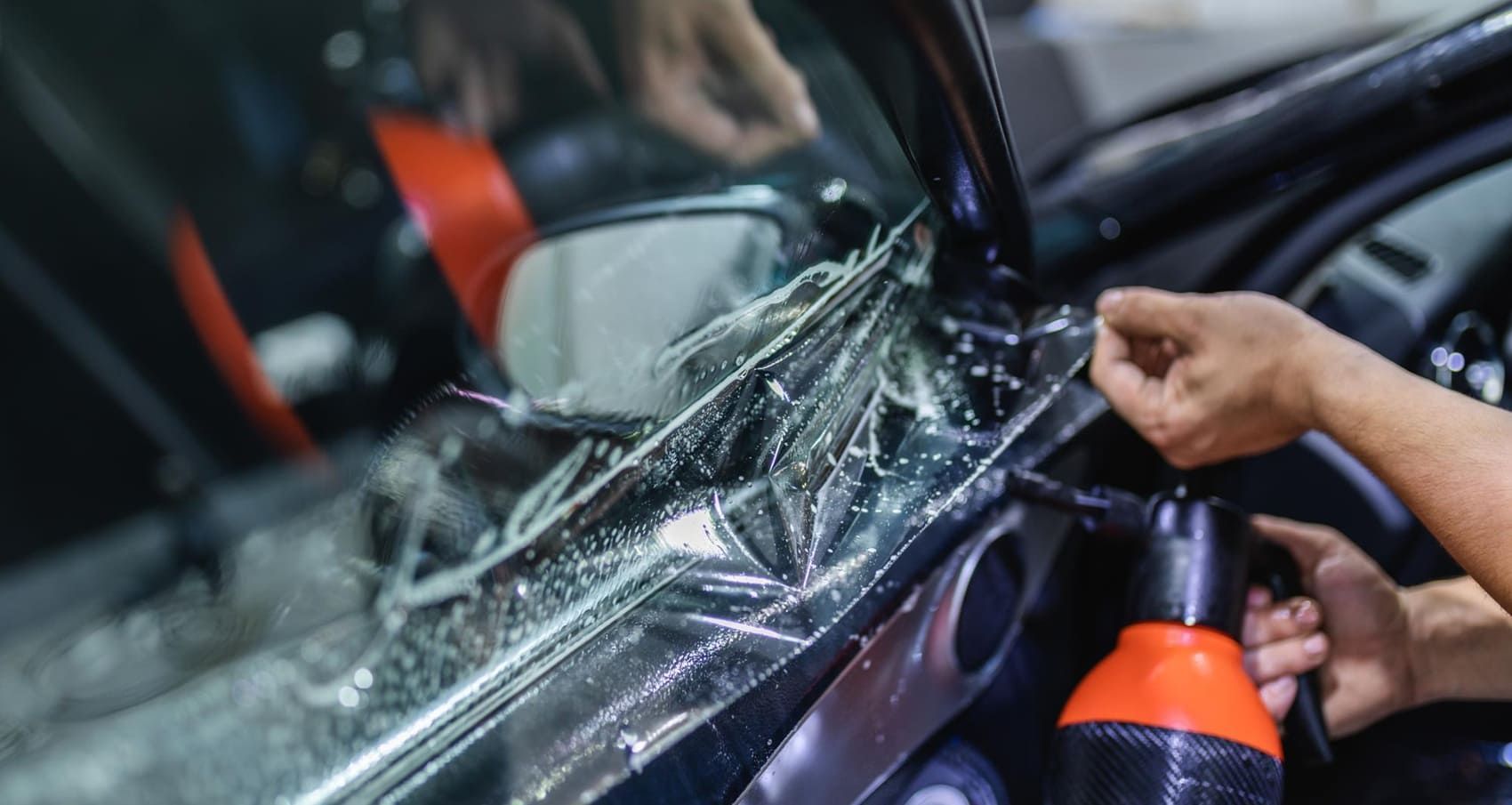
South Carolina police are equipped with electronic tint meters to test the VLT of your windows during a stop. The device clamps onto the window and emits light to measure actual VLT, instantly determining if your tint is legal. During a traffic stop, expect law enforcement to check the tint if it appears noticeably dark. Officers will look for window stickers indicating legal installations, then may test VLT on the spot. Stay calm, comply with officer instructions, and ask for a meter demonstration if your tint is questioned. Latitude 33 Window Tint ensures you receive certification and documentation for your installation, providing peace of mind during compliance checks.
6. Penalties, Fines, and Compliance Requirements for Illegal Tint
Driving with illegal tint in South Carolina can result in fines ranging from $200 to $500 per violation, mandatory removal of tint at your expense, and even points on your driver’s license. Repeat offenses may lead to higher penalties or vehicle inspection failures, jeopardizing your registration status. When a violation is found, law enforcement may issue a citation and require drivers to remove non-compliant tint before passing inspection or renewing registration. Choosing Latitude 33 Window Tint ensures your installation meets all current legal requirements, saving you from needless fines and inconvenience.
7. How to Choose Compliant Window Tint for Heat, Glare, and UV Protection
Complying with South Carolina window tint laws doesn’t mean sacrificing comfort or protection. High-performance window films such as LLumar ceramic and nano-ceramic tints offer superior heat rejection, glare reduction, and 99% UV blocking while remaining within legal VLT limits. Latitude 33 Window Tint can recommend
options matched to your specific vehicle and driving needs, ensuring that every West Columbia customer receives a tint solution that delivers style and safety with full legal compliance. Always request proof of VLT and product certification during installation.
| Compliant Tint Option | Key Benefits |
|---|---|
| LLumar FormulaOne Series | Maximum heat rejection, legal VLT, no signal interference |
| LLumar Ceramic Film | 99% UV blocking, durable, crystal-clear appearance |
| LLumar Classic Dyed | Budget-friendly, limited glare reduction, compliant colors |
FAQ: South Carolina Window Tint Laws 2026
How do police test window tint in South Carolina?
Police use an electronic VLT meter placed on your window to measure the percentage of visible light transmission and verify legal compliance.
Does factory tint count toward the legal VLT limit?
Yes. Factory-applied privacy glass is included in the overall VLT percentage. Aftermarket tint must be selected to ensure combined VLT does not go below legal limits.
Are there medical exemptions for darker tint in South Carolina?
Yes. Drivers with documented medical conditions can apply for a medical exemption, allowing for a lower VLT on specific windows..
Do trucks, vans, and SUVs have different tint requirements?
Yes. Trucks, vans, and SUVs may have any darkness on rear and back side windows, but must keep front side windows at 27% VLT or higher.
Is reflective or mirror-like tint legal for cars in South Carolina?
No. Only non-reflective tint is allowed. Mirror and highly reflective films are prohibited.
Can I use colored tints on my vehicle?
Red, amber, and yellow tints are prohibited. Opt for legal neutrals or greys to ensure compliance. What happens if my tint is too dark during a vehicle inspection? You will not pass inspection and must have the illegal tint removed before retesting.
Will illegal window tint increase my insurance rates?
While not common, some insurers may consider repeat tint violations a risk factor. Compliance is always recommended.
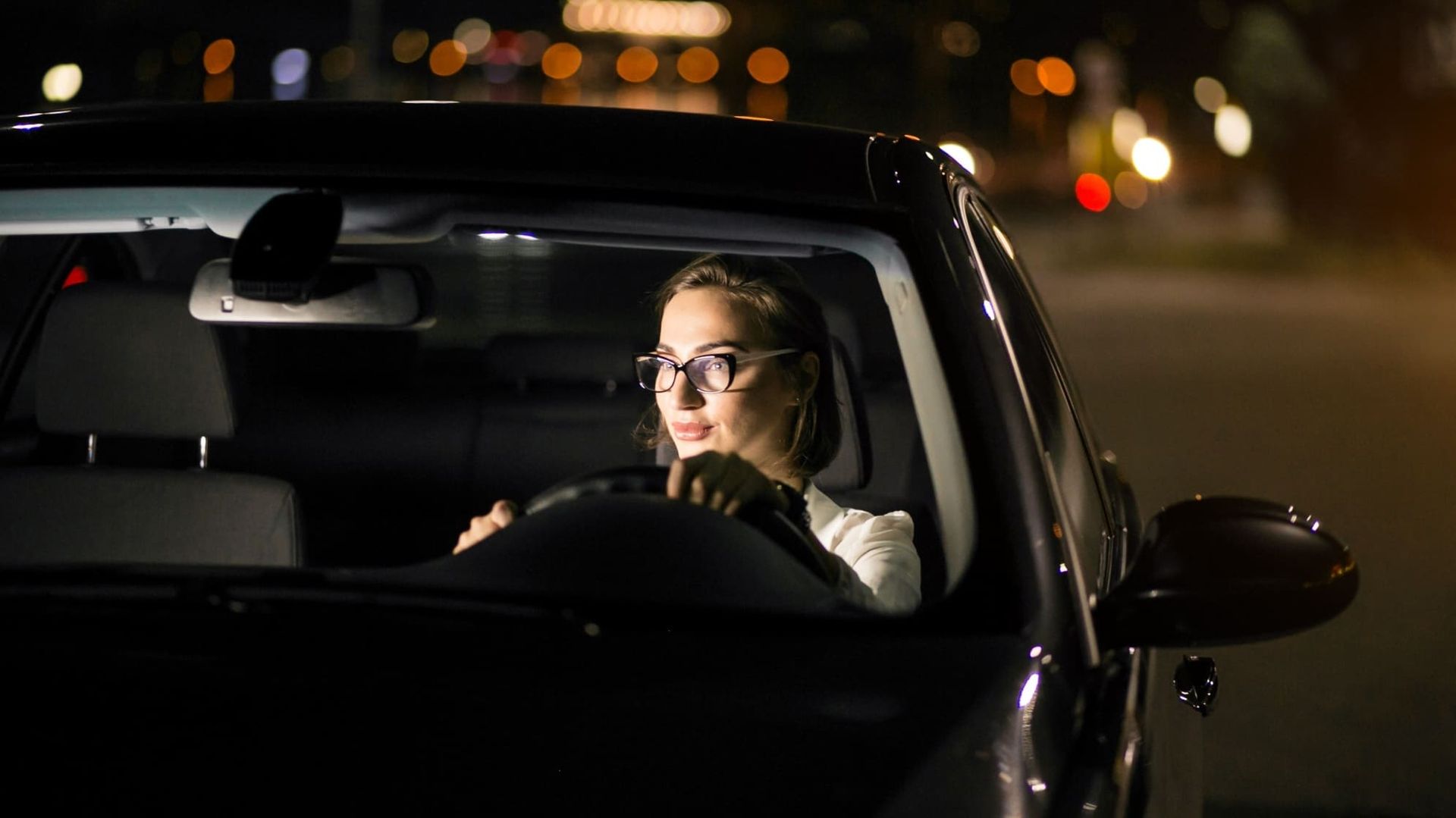
How does tint affect nighttime driving visibility?
Legal tint selections maintain good visibility at night. Excessively dark tints reduce safety and increase your risk of citations.
How can I stay compliant with changing tint laws long term?
Work with professional installers like Latitude 33 Window Tint who stay updated on legislation, use certified legal products like LLumar, and provide ongoing compliance support.
Conclusion: Stay Legal and Protected with Latitude 33 Window Tint
South Carolina’s 2026 window tint laws are among the most specific and strictly enforced in the region, especially for drivers in West Columbia and surrounding areas. Knowing your vehicle’s VLT, understanding placement rules, and choosing certified legal films ensures you stay protected from heat and glare while avoiding fines or surprise inspection issues.
Latitude 33 Window Tint is
West Columbia’s trusted expert for professional LLumar window tint installations—always up to date on the latest state standards. To maximize your comfort, safety, and
style while staying fully compliant with South Carolina tint laws for 2026,
contact Latitude 33 Window Tint today for a
free consultation and compliant window tint estimate tailored to your vehicle.