What Causes Tint to Turn Purple, and How Do You Prevent It?
If the windows on your car, truck, or SUV have started looking dusty pink or purple instead of the neutral black you paid for, you're not imagining it. Purple window tint is one of the most common tint failures Latitude 33 Window Tint sees on vehicles across Columbia, West Columbia, Lexington, Forest Acres, and the surrounding Midlands. It's also one of the most avoidable, if you know what causes it and what to look for before you book an installation.
As an exclusive LLumar SelectPro Dealer and authorized 3M dealer, Latitude 33 Window Tint installs and repairs window film for drivers and homeowners throughout Richland County, Lexington County, and Sumter County. This guide breaks down exactly why tint turns purple, how South Carolina's climate speeds up the process, and how to make sure your next tint job actually holds its color for the long haul.
What Purple Tint Actually Is
Purple tint isn't a style choice or a manufacturing defect that shows up randomly. It's the visible result of a specific type of window film breaking down under UV exposure and heat over time. Once you understand the film technology behind it, the purple discoloration makes a lot more sense.
Dyed Film Is the Root Cause
Most purple tint starts as dyed window film, the most basic and affordable category of automotive tint. Dyed film gets its color from a layer of dye sandwiched between adhesive and protective layers, rather than from metal or ceramic particles that reflect or scatter light. That dye is inherently less stable under prolonged sun exposure, and as it breaks down, the black or gray tone shifts toward a pink or purple hue.
Why the Color Specifically Shifts to Purple
Dyed film pigments are engineered to absorb light across the visible spectrum to appear neutral black. UV radiation degrades that pigment unevenly over time, breaking down certain color components faster than others. What's left behind skews toward the reddish and blue wavelengths, which the eye reads as purple or magenta, especially as the film ages past the three-to-five-year mark.
Why South Carolina's Climate Accelerates Tint Discoloration
Purple tint isn't inevitable everywhere, but the Midlands' climate makes it a much more common complaint than in cooler, cloudier regions.
Intense UV Exposure Year-Round
Columbia and the surrounding area see long stretches of direct, high-intensity sun for most of the year. That constant UV load is the single biggest driver of dye breakdown, and it means lower-quality film can start showing color shift noticeably sooner here than in less sun-exposed climates.
Heat Buildup Inside Parked Vehicles
South Carolina summers regularly push interior car temperatures well past 120°F when a vehicle sits in direct sun. That heat accelerates the chemical breakdown of dye pigments, compounding the damage that UV exposure alone would already cause.
Age of Existing Tint Jobs
Many vehicles around West Columbia and Lexington are still running tint that was installed 5, 8, or even 10-plus years ago, often using cheaper dyed film that was standard at the time. If your tint job predates more advanced ceramic film technology, purple discoloration is often just a matter of when, not if.
The Warning Signs That Your Tint Is About to Turn Purple
Catching the early signs of tint failure means you can plan a replacement before the discoloration becomes obvious from across a parking lot.
Early Signs to Watch For
- A subtle pink or reddish cast appearing at the edges of windows, especially the rear windshield
- Color that looks slightly different depending on the angle of sunlight
- Fading that's more noticeable on the side that gets the most direct sun exposure (often the driver's side or the rear window)
Advanced Signs That Replacement Is Overdue
- Clearly visible purple or magenta tone across the entire window
- Bubbling or cloudiness appearing alongside the discoloration
- Adhesive failure, where the film starts peeling or lifting at the corners
If you're noticing bubbling, cloudiness, or peeling in addition to color change, that's also a sign the tint needs to come off before you consider a replacement. Improper DIY removal at this stage risks damaging rear defroster lines, so professional removal is the safer route once film has degraded this far.
How to Prevent Purple Tint From Happening in the First Place
The good news is that purple tint is almost entirely a film-quality problem, not something that happens regardless of what you install. Preventing it comes down to choosing the right film and the right installer from the start.
1. Choose Ceramic Film Instead of Dyed Film
Ceramic window tint uses non-metallic ceramic particles rather than dye to block heat and UV light. Because it doesn't rely on a dye layer that degrades under sun exposure, ceramic film is highly resistant to fading and color shift, even after years in South Carolina's climate. Ceramic tint also blocks a significantly higher percentage of infrared heat and UV rays, up to 99% of UV rays and roughly 80% of infrared heat with premium ceramic films, making it a stronger long-term investment even though the upfront cost is higher than dyed film.
2. Confirm You're Getting a Lifetime Warranty
Quality automotive film installed by a certified dealer should come with a lifetime warranty that specifically guarantees against color change, bubbling, and cracking. If a quote you're considering doesn't mention a warranty covering discoloration, that's a red flag that the film may be a lower-grade dyed product.
3. Work With a Certified, Experienced Installer
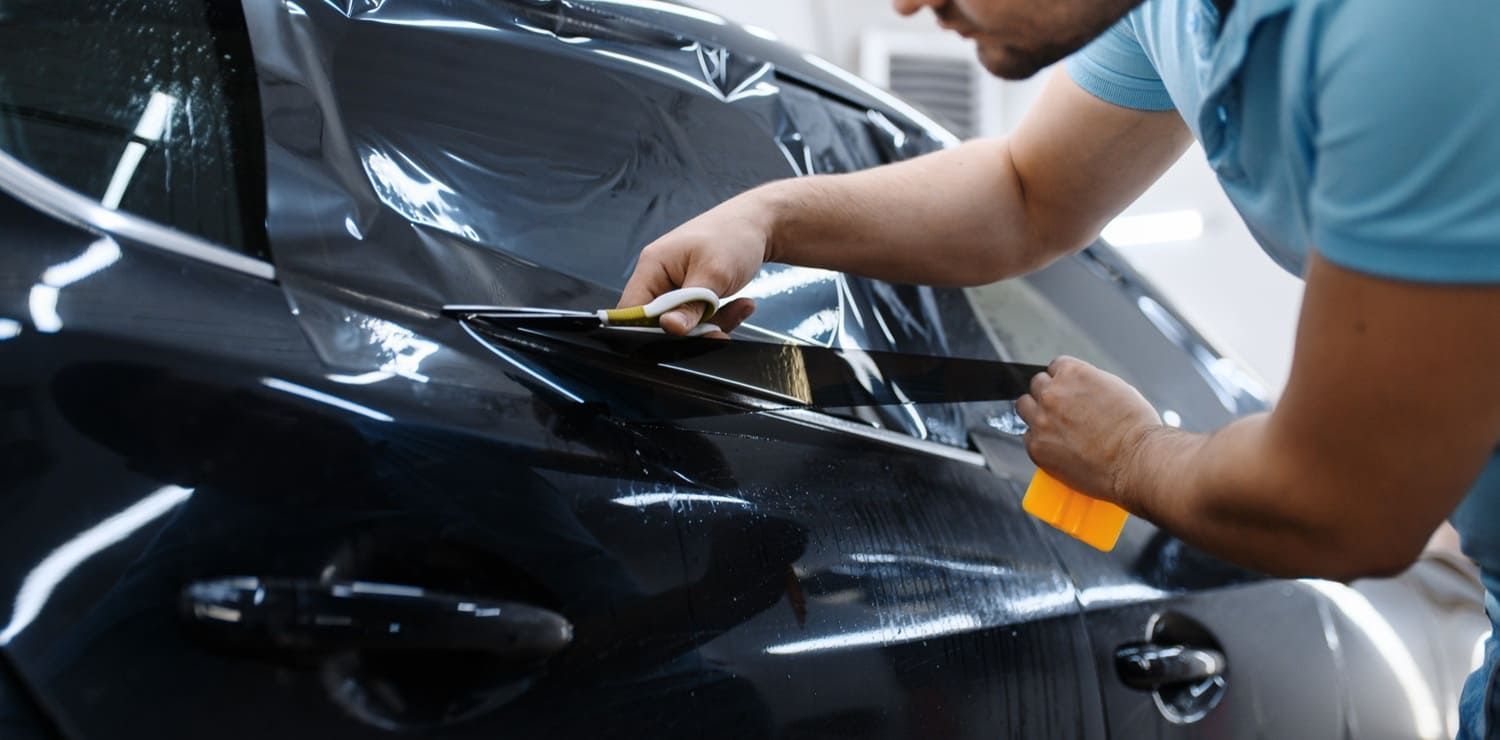
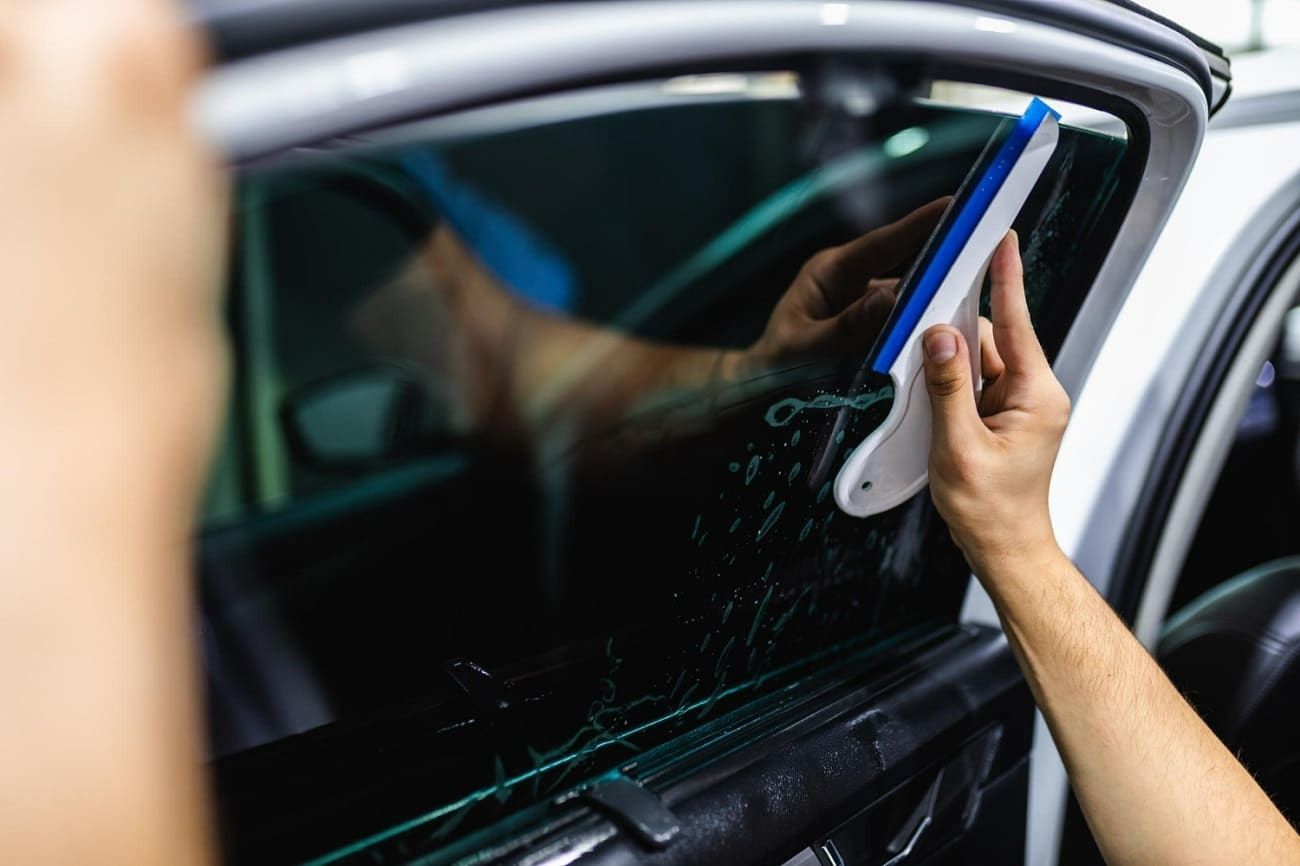
Film quality is only half the equation. Poor installation, including improper curing, contamination trapped under the film, or incorrect adhesive application, can accelerate premature failure regardless of the film type. Working with an exclusive LLumar SelectPro Dealer or authorized 3M dealer ensures the film is applied correctly the first time.
4. Avoid the Cheapest Available Tint Option
Bargain tint jobs almost always use basic dyed film because it's the least expensive material on the market. If a quote seems significantly lower than others you've received for the same vehicle, ask directly what type of film is being used before booking.
5. Park Smart When Possible
While film quality is the biggest factor, minimizing extreme heat exposure by parking in shade or using a garage when available can modestly extend the life of any tint, dyed or ceramic, by reducing the cumulative heat and UV load on the film over time.
Dyed vs. Ceramic Tint: Which One Actually Resists Purple Discoloration?
| Factor | Dyed Film | Ceramic Film |
|---|---|---|
| Cause of purple discoloration | Dye pigment breaks down under UV/heat | Not dye-based, highly resistant to color shift |
| UV protection | Moderate | Excellent (up to 99%) |
| Heat rejection | Lower | High (up to ~80% infrared rejection) |
| Signal interference | None | None (non-metallic) |
| Typical lifespan before fading | 3-7 years in high-UV climates | Many years longer, backed by lifetime warranty |
| Upfront cost | Lower | Higher |
| Best for South Carolina's climate | Higher risk of premature discoloration | Built for long-term sun and heat exposure |
What to Do If Your Tint Has Already Turned Purple
If your windows are already showing that telltale pink or magenta cast, the fix isn't a touch-up, it's a full removal and re-tint. Trying to mask discoloration or leaving it in place only invites further bubbling and adhesive failure. A professional removal ensures the old adhesive is fully cleared without damaging rear defroster lines, glass tinting on trucks with complex curves, or the surrounding trim, setting a clean surface for a fresh, properly installed film.
Frequently Asked Questions
Why does old window tint turn purple?
Older window tint turns purple because it's typically made from dyed film, which uses a pigment layer that breaks down unevenly under UV exposure and heat over time, shifting the color from black toward pink or purple.
Does ceramic tint turn purple like dyed tint does?
No. Ceramic tint uses ceramic particles instead of dye, so it doesn't experience the same pigment breakdown that causes discoloration. It's far more resistant to fading, even after years of South Carolina sun exposure.
How long does it take for dyed tint to start turning purple?
It varies by film quality and sun exposure, but in a high-UV climate like the Midlands, lower-grade dyed film can begin showing signs of discoloration within 3 to 7 years, sometimes sooner on windows with the most direct sun exposure.
Can I fix purple tint without replacing it?
No. Once dye has degraded and discolored, there is no treatment that restores the original color. The only fix is professional removal and replacement with new film.
Is it safe to remove purple tint myself?
DIY removal carries real risk, especially on rear windows with defroster lines, where improper technique can damage the heating elements. Professional removal is the safer option, particularly once the film is already bubbling or brittle.
Will a lifetime warranty cover tint that turns purple?
A proper lifetime warranty on professionally installed film from a certified dealer typically covers color change, bubbling, and cracking. Always confirm warranty terms in writing before installation.
Protect Your Investment With Tint That Won't Fade
Purple window tint is a preventable problem, not an inevitable one. Choosing quality ceramic film, confirming a real lifetime warranty, and working with a certified installer are the three things that stand between you and a discolored, bubbling windshield years down the road.
Latitude 33 Window Tint, an exclusive LLumar SelectPro Dealer and authorized 3M dealer, serves Columbia, West Columbia, Lexington, Forest Acres, Sumter, and the surrounding Midlands with professional automotive window tinting backed by a lifetime warranty against fading, bubbling, and cracking. Visit the shop at 935 Sunset Blvd, West Columbia, SC 29169, or call (803) 450-4148 for a free estimate on removing old tint or protecting your vehicle with film that's built to last.