Is Ceramic Tint Worth It in 2026? Key Benefits
Is ceramic tint worth it in 2026? For most vehicle owners in Columbia, SC and the Midlands, the answer is yes if you care about comfort, long-term durability, and clear visibility more than the lowest upfront price. Ceramic
window tint has become the premium standard in 2026 because it targets what drivers feel most in South Carolina: infrared heat and relentless sun. Instead of using dyes that can break down or metals that can create side effects, ceramic technology uses nano-ceramic particles engineered to reject heat while staying optically clear. That is why more drivers in Columbia,
West Columbia, Lexington, Irmo, and Cayce are choosing ceramic even though it costs more than dyed or carbon film. When you choose a premium ceramic line, you are typically buying superior heat blocking that can be marketed as up to about 80% infrared rejection depending on the film, up to 99% UV protection, no fading or color change, crystal-clear visibility, no signal interference for phone and GPS, and strong warranty coverage that supports long-term value.
Table of Contents
1. What ceramic window tint is and how nano-ceramic works
2. Key benefits of ceramic tint in 2026 (heat, UV, clarity, stability)
3. Real-world driving performance in Columbia and the Midlands
4. Ceramic vs carbon vs dyed tint cost (is the price difference worth it?)
5. How long ceramic tint lasts and warranty coverage (LLumar, Vista)
6. When ceramic tint provides the most value (who should prioritize it)
7. How to decide if ceramic tint is worth it for your vehicle and budget
Comparison table: Dyed vs Carbon vs Ceramic
1. What ceramic window tint is and how nano-ceramic technology works differently
Direct answer: Ceramic window tint is a non-metal film that uses nano-ceramic particles to reject infrared heat and block UV while maintaining high optical clarity.
Most drivers start researching tint because they want relief from glare and heat. What many people discover is that tint performance is not determined by darkness alone. Two films can look similar from the outside and feel completely different from the driver seat in July. The reason is how each film handles infrared energy, the portion of sunlight that contributes heavily to the heat you feel through glass.
Dyed tint is the traditional entry-level option. It darkens glass by absorbing light and can reduce glare. However, because it relies heavily on dye-based absorption, lower quality dyed films are more likely to fade over time, shift color, or look purple after years of South Carolina sun. Heat rejection can be limited, so some owners feel they paid for appearance but did not get the comfort improvement they expected.
Carbon tint is often the mid-tier step up and a popular compromise for budget-minded drivers. Carbon films tend to be more stable than basic dyed tint and can provide better heat management. Carbon can be a good answer when someone wants better performance without the premium price of ceramic, but it still typically does not match top ceramic films for infrared rejection and optical performance consistency.
Nano-ceramic tint uses microscopic ceramic particles engineered to reduce infrared transmission without using metal. That matters in 2026 because modern driving includes navigation, phone connectivity, and vehicle electronics that owners do not want compromised. Ceramic is designed to deliver heat control while staying clear and stable, which is why it has become the premium standard for drivers who want measurable comfort, not just a darker look.
2. Key ceramic tint benefits in 2026 (what you get for the higher cost)
Direct answer: Ceramic tint is worth it when you want the strongest heat rejection, up to 99% UV protection, stable color, clear optics, and modern compatibility without signal interference.
Benefit 1: Superior heat rejection and infrared blocking
If you are searching “is ceramic tint worth it,” heat is likely the deciding factor. Premium ceramic films are engineered to reject infrared heat, and many high-end lines are marketed with infrared rejection ratings that can reach up to about 80% depending on the series and shade. Those numbers vary by film and testing method, but they reflect a real difference in how ceramic manages heat compared to many dyed options.
In practical terms, ceramic tint can reduce the hot, sharp sensation on your skin when sunlight hits your arm through a side window. It can also reduce how quickly the cabin heat builds when parked and help the AC maintain comfort with less constant “catch up” cooling. If you commute daily, that comfort difference can become one of the most appreciated upgrades you make to your vehicle.
Benefit 2: Up to 99% UV protection for health and interior preservation
UV is not just a summer issue. UV exposure is consistent year-round in South Carolina. Quality films commonly advertise up to 99% UV protection, which helps reduce UV exposure during long drives and helps preserve your interior. Dashboards, leather, vinyl, and trim are all vulnerable to sun damage and long-term drying and cracking.
For Midlands drivers who spend time on interstates, commute between Lexington and Columbia, or frequently drive during peak sun hours, UV protection can be a meaningful health and comfort benefit, not just a detail on a spec sheet.
Benefit 3: No signal interference for modern driving
Metal-based tint technologies have historically been associated with interference concerns for cell, GPS, and radio. Ceramic is non-metal, which is one of the reasons it is favored in 2026. Drivers want confidence that navigation, hands-free calls, and music streaming will work normally. Ceramic is designed to deliver performance without relying on metal layers that can create problems.
Benefit 4: Fade resistance and long-term color stability
South Carolina sun is an honest test of tint quality. Cheaper films can discolor or shift hue over time. Ceramic tint is designed for stability, which helps it maintain appearance over years of heat cycling and UV exposure. That is one of the strongest arguments for ceramic window tint cost being justified for long-term ownership.
Benefit 5: Optical clarity that helps day and night driving
Optical clarity matters for safety and comfort. Low-quality films can create haze that makes headlights bloom at night and makes rainy driving feel more stressful. Premium ceramic films are designed for clarity and low distortion. This is especially important for Midlands drivers who often experience bright sun, sudden rain, and high humidity conditions that can already challenge visibility.
3. Real-world ceramic tint performance in Columbia, West Columbia, Lexington, Irmo, and Cayce
Direct answer: Ceramic tint performance is most noticeable in the Midlands because the region combines strong sun, high heat indexes, and frequent glare, making comfort improvements easier to feel than in mild climates.
In real life,
ceramic tint benefits show up in the moments drivers care about most. Think of a car that has been parked outside during a Columbia summer afternoon. Ceramic tint can help reduce the intensity of radiant heat coming through the glass. Your cabin can still get hot, but it is often less punishing and more manageable, especially once you start driving and the AC begins cooling the interior.
For commuters, the improvement is often most noticeable on the driver and passenger side windows. When sunlight hits the side of your vehicle for extended periods, you feel heat through the glass. Ceramic reduces that radiant sensation. It can also help your interior surfaces stay less harsh to the touch, which matters for steering wheels, armrests, and seats that can become uncomfortably hot.
Daily driving in the Midlands also includes glare and visibility challenges. Bright sun at low angles can create intense glare during morning and evening drives. Ceramic film helps reduce glare while maintaining a clean view. When you combine glare reduction with clarity, it supports a more comfortable driving experience in traffic-heavy areas and highway merges.
If you drive for work, commute long distances, or spend time in pickup lines and parking lots, ceramic tint can feel like a quality-of-life upgrade rather than a purely aesthetic feature. That real-world difference is why “ceramic tint benefits 2026” and “ceramic vs carbon tint” are such common searches in Columbia and surrounding areas.
4. Ceramic vs carbon vs dyed tint cost in 2026 (what you are really paying for)
Direct answer: Ceramic costs more because it delivers higher heat rejection, stronger stability, and premium clarity, and those advantages can make it worth it over time in South Carolina heat.
Window tint pricing varies by vehicle size, number of windows, film line, and installation quality. However, the structure is usually consistent: dyed is entry-level, carbon is mid-tier, ceramic is premium. When you compare ceramic vs carbon tint, you are typically comparing a “good value” option to a “best performance” option.
Here is the practical way to think about ceramic window tint cost. You are paying for technology that targets infrared heat more effectively, materials that resist fading, and optical engineering that maintains clarity. You are also paying for the confidence that the film will look and perform consistently through multiple South Carolina summers.
When carbon may be enough: If you want a meaningful upgrade from dyed film and your budget is tight, carbon can be a solid choice. It often provides better stability than dyed and can be a strong value option for drivers who want a good balance. When ceramic is most justified: If heat rejection is your top priority, if you park outside daily, if you have a dark interior, or if you plan to keep the vehicle for years, ceramic often delivers the best return on investment.
For many Midlands drivers, the question is not “can I afford ceramic?” but “will I be happier with ceramic every day?” If heat and comfort are daily pain points, ceramic is usually the film type that solves the problem most effectively.
5. How long ceramic tint lasts and what warranties cover (LLumar and Vista)
Direct answer: Premium ceramic tint is built for long service life, and many top film lines are backed by lifetime warranty coverage when installed by an authorized shop.
How long does ceramic window tint last? The honest answer is that longevity depends on film quality and installation quality. Heat cycling, UV exposure, and the condition of the glass all influence performance. That said, ceramic films are engineered for durability and stability, which is why they are commonly chosen by drivers who want to tint once and keep the results for years.
Warranty coverage is a major part of ceramic’s value. Premium brands like LLumar and Vista are often selected because they are known for strong product engineering and warranty support when installed by authorized professionals. Warranty terms vary by film line and conditions, but coverage commonly addresses defects like bubbling, peeling, cracking, delamination, and discoloration under normal use. Always confirm specific terms for your film and vehicle.
For Columbia-area drivers, warranties matter because the climate is demanding. A film that stays stable in strong heat and is backed by coverage supports long-term ownership value. If you are comparing LLumar ceramic tint and Vista ceramic tint, a reputable installer can explain the differences between lines and help you match performance goals, shade preferences, and budget.
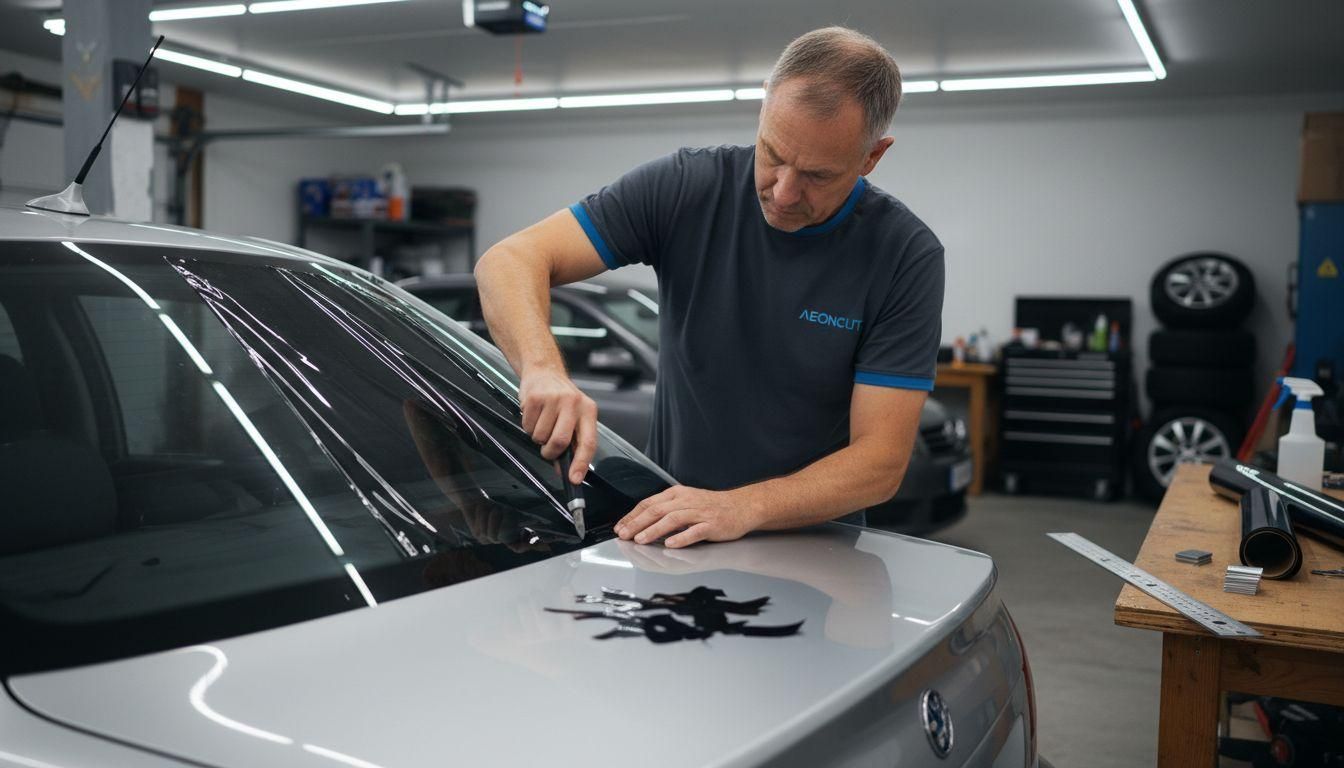
One key reminder: the best film still depends on correct installation. A professional shop that specializes in premium film helps ensure clean edges, proper curing, and a final finish that looks consistent and performs as expected.
6. When ceramic tint provides the most value (hot climates, long-term ownership, comfort priorities)
Direct answer: Ceramic provides the most value for drivers in hot climates like the Midlands, for long-term ownership, and for anyone who prioritizes comfort, clarity, and interior protection.
Hot climates are the clearest case. In Columbia and surrounding areas, sun exposure is frequent and intense, and parked vehicles can heat rapidly. Ceramic’s infrared rejection helps reduce radiant heat through the glass, which is one of the most noticeable real-world benefits in this region.
Long-term ownership also favors ceramic. If you keep vehicles for five years or more, ceramic’s stability and warranty support often make it the best total value. Paying more once can be preferable to paying less and replacing film later due to fading or appearance changes.
Ceramic can also be valuable for drivers with comfort or health priorities. If you are sensitive to heat, spend many hours in your vehicle, or want maximum UV protection for yourself and passengers, ceramic is often the best match. Families with frequent back-seat passengers often prioritize heat reduction and comfort consistency.
Finally, ceramic is a strong fit for drivers who care about visibility and appearance. Premium ceramic film is designed to look clean, avoid haze, and maintain a consistent tone over time, which supports a high-end look that remains stable through years of use.
7. How Columbia area drivers should decide if ceramic tint is worth the investment
Direct answer: Ceramic tint is worth it if your priorities are heat rejection, clear visibility, durability, and long-term value. Carbon is often the better choice if your main goal is reducing cost while still improving over dyed tint.
Use this decision checklist to make the choice simple:
- Do you park outside most days? If yes, ceramic is usually worth it.
- Do you commute or drive long distances? If yes, ceramic comfort gains often pay off quickly.
- Are you keeping the vehicle long term? If yes, ceramic longevity and warranty coverage are strong reasons to choose it.
- Is heat rejection your top priority? If yes, ceramic is usually the best-performing option.
- Is budget the top priority? If yes, carbon can be an excellent mid-tier compromise.
For most Midlands drivers, the deciding factor is heat. If you want a tint that feels different in South Carolina summer driving, ceramic is the most consistent way to get that result. If you want solid performance and a nicer look than dyed at a lower price, carbon can be a strong choice.
Latitude 33 Window Tint
(LAT33 Tint) serves Columbia, West Columbia, Lexington, Irmo, and Cayce with premium window film options including LLumar and Vista ceramic tint. If you are comparing ceramic vs carbon tint and want the best match for your vehicle and budget, a professional consultation can help you choose the right film line and shade based on your driving habits, interior color, and comfort goals.
Comparison table: Dyed vs Carbon vs Ceramic tint (2026)
| Film type | Heat rejection capability (infrared blocking) | UV protection percentage | Optical clarity and color stability | Signal interference (GPS, radio, cell) | Fade resistance and longevity | Warranty coverage | Price range | Overall value in 2026 |
|---|---|---|---|---|---|---|---|---|
| Dyed tint | Low to moderate | Often high, varies by film line | Can fade or shift color over time | None (non-metal) | Lower stability in strong sun | Basic to limited, varies widely | $ | Best only for lowest upfront cost |
| Carbon tint | Moderate | Often high, varies by film line | Generally stable, better than dyed | None (non-metal) | Good durability for many drivers | Mid-tier, varies by installer and line | $$ | Strong balance of price and performance |
| Ceramic tint | High, premium lines often marketed up to ~80% IR rejection | Up to 99% in premium lines | Excellent clarity and stable color | Designed to avoid interference (non-metal) | Excellent long-term stability | Often lifetime warranty with premium brands when professionally installed | $$$ | Best for comfort, longevity, and long-term value |
Total cost of ownership: 5 to 10-year comparison (initial cost plus replacement needs)
Direct answer: Ceramic’s higher upfront cost can be offset if it avoids replacement cycles and keeps performance consistent over the life of the vehicle.
| Film type | Initial cost (relative) | Replacement likelihood in 5 to 10 years | Replacement spend (relative) | Comfort and appearance over time | Long-term value takeaway |
|---|---|---|---|---|---|
| Dyed tint | Low | Higher | Low to medium, may repeat | Performance and look can decline | Can become costly if re-tinting is needed |
| Carbon tint | Medium | Moderate | Medium | More consistent than dyed | Good value if budget is a key constraint |
| Ceramic tint | High | Lower | Lower expected need | Most consistent performance and appearance | Often best long-term value in South Carolina heat |
FAQ: Ceramic tint in 2026 (15 questions)
Is ceramic tint worth the extra cost in 2026?
For many Columbia-area drivers, yes, because the heat rejection and long-term stability are typically better than dyed or many carbon options.
How much better is ceramic tint than regular tint?
Ceramic generally provides higher infrared heat rejection and stronger long-term color stability than basic dyed tint.
Does ceramic tint really block more heat?
Premium ceramic films are designed to reduce more infrared heat, which is the heat you feel through the glass.
How long does ceramic window tint last?
Premium ceramic tint is designed to last for many years when professionally installed and maintained.
Is ceramic tint worth it for older cars?
Often yes, especially if you want better comfort and interior protection while keeping the vehicle longer.
Is ceramic tint worth it in South Carolina heat?
Yes. The Midlands climate makes ceramic’s heat and UV benefits more noticeable.
How much does ceramic tint cost compared to carbon tint?
Ceramic typically costs more than carbon, but the upgrade can be justified by stronger heat performance and stability.
Does ceramic tint interfere with phone or GPS signal?
Ceramic tint is non-metal and is chosen specifically to avoid signal interference concerns.
Does ceramic tint fade or turn purple over time?
Premium ceramic is designed for fade resistance and color stability, reducing the chance of purple shifting.
What warranty comes with ceramic window tint?
Warranty terms vary by film line, but premium brands often include lifetime warranty coverage when installed by an authorized professional.
Is LLumar ceramic tint better than other brands?
LLumar is widely recognized as a premium option with strong performance and warranty support. The best choice depends on the specific film series and your goals.
Will ceramic tint keep my car cooler in summer?
It can reduce radiant heat through the glass and help the cabin cool down faster once the AC is running.
How much UV protection does ceramic tint provide?
Many premium films provide up to 99% UV protection. Confirm the specs for the film line you choose.
Is ceramic tint worth it for lease vehicles?
It depends on your comfort priorities and lease timeline. Ceramic can still be worth it if comfort matters daily.
What does LAT33 Tint recommend for best value and performance?
For maximum comfort and long-term value in the Midlands, LAT33 Tint often recommends premium ceramic options like LLumar or Vista ceramic, selected to fit your vehicle and budget.
Conclusion and CTA
Ceramic tint is worth it in 2026 for most drivers in Columbia, SC and the Midlands because it delivers the benefits that matter in real life: superior heat rejection, up to 99% UV protection, clear optics, durability, and warranty-backed long-term confidence. While the upfront cost is higher than dyed or carbon film, the comfort and longevity advantages are noticeable in South Carolina driving and can make ceramic the best total value over time.
If you are in Columbia,
West Columbia, Lexington, Irmo, or Cayce and want expert help choosing the right film,
contact
Latitude 33 Window Tint (LAT33 Tint) for a consultation and professional installation of premium
LLumar or
Vista ceramic window tint.